West Virginia Furnace Repair You Can Rely On
Prompt, professional service designed to protect your comfort and prevent costly breakdowns.
West Virginia Furnace Repair — Fast, Reliable Service for Homeowners
Furnace trouble often appears when you least expect it and can quickly make a home uncomfortable. Understanding common problems and how to address them is key to staying warm and avoiding costly breakdowns in your Charleston and Clarksburg homes. Here, we detail frequent furnace issues in West Virginia, explain UKV HVAC‘s expert approach to repairs, and outline preventative maintenance strategies to keep your system running smoothly and safely. Our team of certified technicians is dedicated to restoring your home’s comfort with unparalleled expertise and efficiency.
What Are the Most Common Furnace Problems in West Virginia?
How to Identify No Heat or Insufficient Heat Issues?
What Causes Strange Noises in Your Furnace?
How Does UKV HVAC Provide Trusted Furnace Repair Services?
Why Choose Our Accurate Diagnostics and Repair-First Approach?
Which Furnace Types and Brands Do We Service?
Experiencing Furnace Troubles? Don't Wait!
Our expert technicians are ready to provide fast, reliable furnace repair services across West Virginia. Get your home warm and comfortable again.
What Is the Step-by-Step Furnace Repair Process at UKV HVAC?
How to Schedule Your Furnace Repair Service
What Happens During Expert Diagnosis and Repair?
Have a Heating Issue? Let’s Take a Look
How Can Preventative Maintenance Help Avoid Costly Furnace Repairs?
Routine preventative maintenance is the most effective way to keep minor furnace issues from escalating into major, costly repairs. Investing in regular checkups not only significantly improves your system's efficiency by up to 15%, but also drastically reduces the likelihood of unexpected breakdowns, ensuring consistent comfort and extending the safe, useful life of your furnace by several years. This proactive approach saves you money in the long run through lower energy bills and fewer emergency repairs.
What Are Key Maintenance Tasks to Extend Furnace Life?
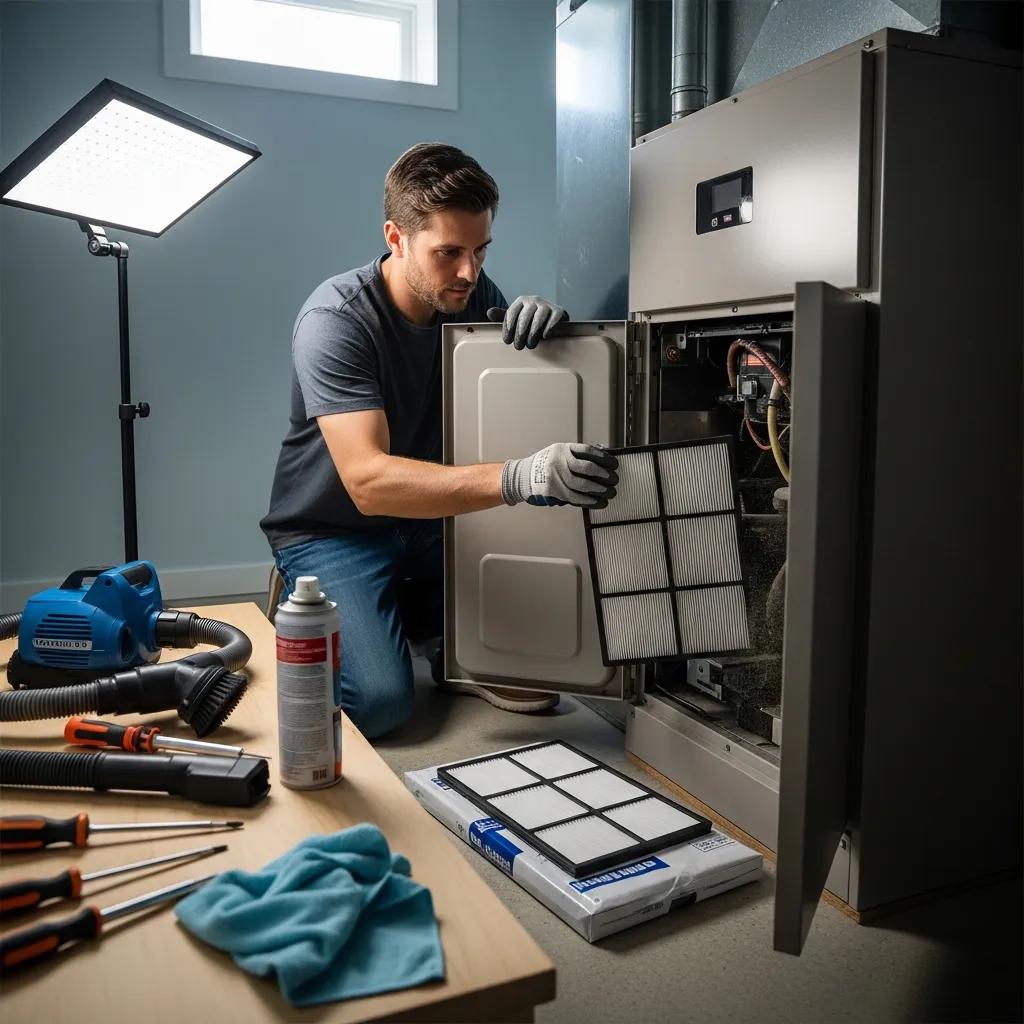
Beyond professional tune-ups, homeowners can perform a few key maintenance tasks to significantly extend furnace life and ensure safer operation. Regularly changing air filters on schedule (typically every 1-3 months, depending on usage and household conditions) is paramount for maintaining optimal airflow and preventing strain on the system, which can lead to premature wear. Keeping the area around your furnace clean and free of obstructions is crucial for proper ventilation and fire safety. Additionally, periodically verifying thermostat settings ensures your system operates as intended and efficiently. These simple steps collectively improve airflow, reduce component wear, and help your furnace run efficiently and reliably, complementing professional service.
When Should You Schedule Regular Furnace Inspections?
| Problem Type | Common Causes | Recommended Solutions |
|---|---|---|
| No Heat or Insufficient Heat | Thermostat settings, pilot or ignition failure, clogged filters, gas supply issues, faulty flame sensor. | Verify thermostat, inspect, clean, or replace ignitor or pilot, check gas supply, replace dirty filters, and schedule professional diagnosis for electrical or gas components. |
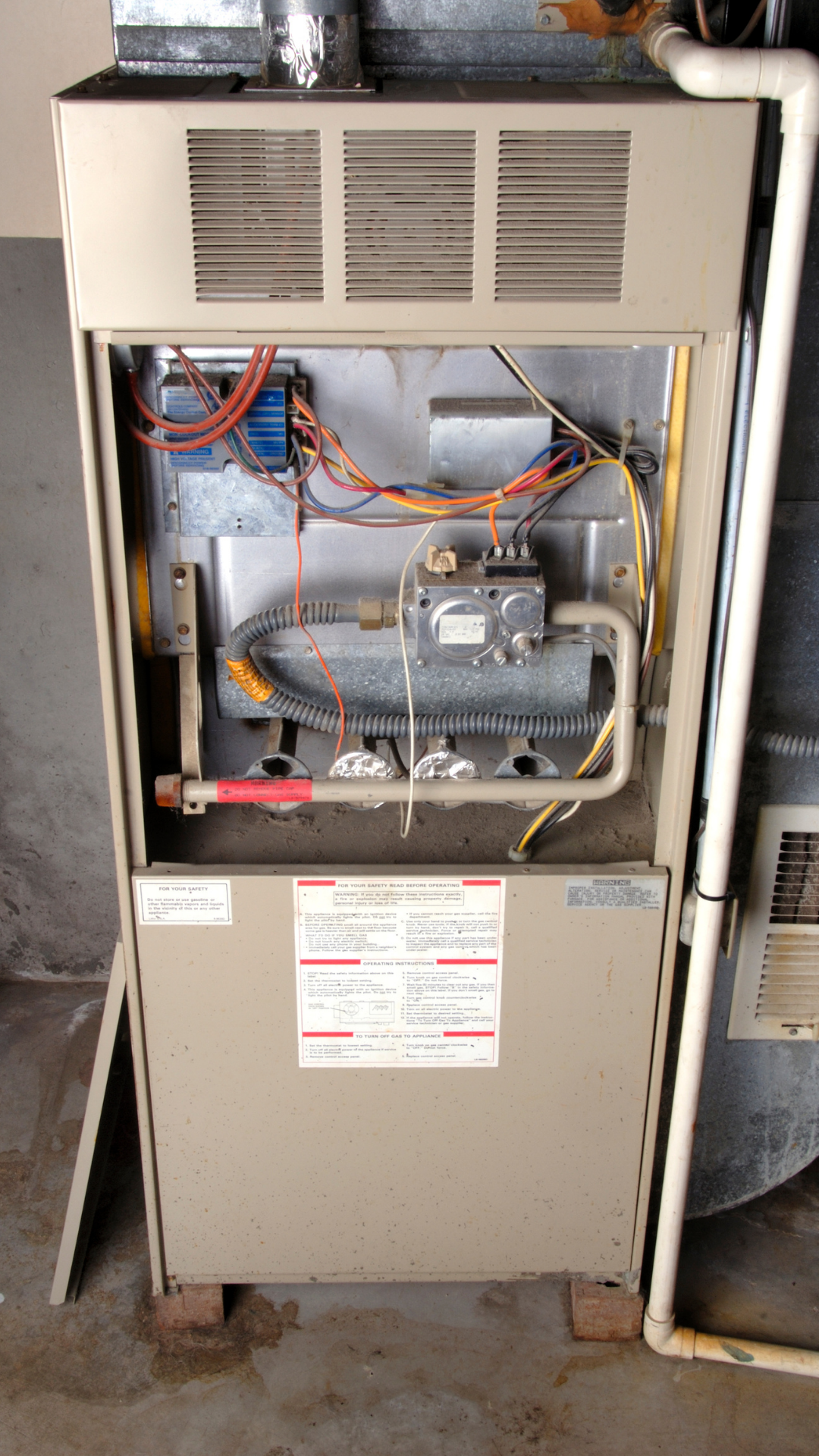
| Strange Noises (Grinding, Squealing, Banging) | Worn blower motor bearings, loose belts, delayed ignition, expanding or contracting ductwork, debris in blower. | Inspect and tighten fittings, replace worn bearings or belts, professional adjustment of gas or ignition, clean blower assembly. |
| Frequent Cycling (Short Cycling) | Clogged filters, oversized furnace, faulty thermostat, restricted airflow, dirty flame sensor. | Replace filters, recalibrate or replace thermostat, professional assessment of furnace sizing and airflow. |
| Pilot Light Issues | Dirty pilot opening, faulty thermocouple, strong drafts, gas supply problems. | Clean pilot, replace thermocouple, check for drafts, professional gas line inspection. |
Frequently Asked Questions
What are the signs that my furnace needs repair?
Signs include uneven heating, loud or unusual noises (grinding, squealing, banging), frequent cycling (short cycling), sudden energy bill spikes, persistent strange odors (especially gas or burning smells), or the furnace failing to start. Any of these indicators warrant calling a qualified technician immediately to prevent further damage or safety hazards.
How often should I have my furnace serviced?
For optimal performance, safety, and longevity, have your furnace serviced at least once per year, preferably in the fall before the heating season begins. Annual maintenance catches wear and tear early, keeps the system safe and efficient, and helps prevent unexpected breakdowns during peak usage.
Can I perform maintenance on my furnace myself?
While basic tasks like regularly changing air filters and keeping the area around your furnace clean and free of obstructions are safe and recommended for homeowners, any internal inspections, complex cleaning, or work involving gas lines, electrical components, or combustion systems should always be handled by trained, certified technicians. Attempting these tasks yourself can pose significant safety risks, including gas leaks, electrical shock, or fire, and may lead to further damage or improper repairs, compromising your system’s reliability and potentially voiding warranties.
What should I do if my furnace stops working suddenly?
If your furnace suddenly stops working, first check your thermostat settings to ensure it’s set to “heat” and the temperature is above the current room temperature. Next, check your home’s circuit breaker panel for a tripped breaker related to the furnace. If these simple checks don’t resolve the issue, it’s crucial to call a qualified technician immediately. We strongly advise against attempting complex DIY repairs, as working with gas and electrical systems can be extremely hazardous and should only be performed by trained professionals to ensure safety and proper function.
Are there any energy-efficient furnace options available?
Yes, significant advancements have been made in energy-efficient heating. High-efficiency gas furnaces, often with AFUE (Annual Fuel Utilization Efficiency) ratings of 90% or higher, and electric heat pumps (which both heat and cool) deliver superior performance and lower operating costs. Look for high AFUE ratings for gas furnaces or strong HSPF (Heating Seasonal Performance Factor) and SEER (Seasonal Energy Efficiency Ratio) specs for heat pumps. Upgrading can significantly lower your energy bills, improve indoor comfort, and reduce your carbon footprint.
What is the average cost of furnace repair in West Virginia?
Repair costs vary widely depending on the specific issue, the type of furnace, and the required parts. Common repairs often range from $100–$500, while major component replacements (e.g., heat exchanger, blower motor) can cost significantly more. It’s essential to get a clear, detailed estimate from your technician before any work begins, ensuring transparency and understanding of the costs involved.
How can I improve my furnace's efficiency?
Improve efficiency by replacing air filters regularly (monthly or quarterly), sealing drafts around windows and doors, keeping all vents and returns clear of obstructions, and using a programmable or smart thermostat to optimize heating schedules and reduce unnecessary runtime. Regular professional tune-ups are also critical, as they ensure the system is clean, calibrated, and operating at its peak efficiency, extending its lifespan and saving you money. Call UKV HVAC Now for Service!
Conclusion
West Virginia's Premier HVAC and Electrical Contractor
- Family-owned and community-focused
- Expert technicians for all makes and models
- Best solutions with clear, honest pricing
General Residential HVAC Services
HVAC Installation, Service, Maintenance
Heating
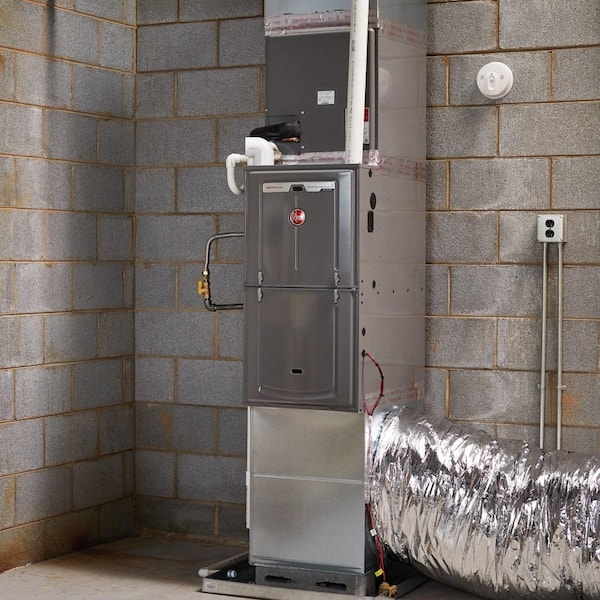
Expert furnace installation, repair, and maintenance to keep your home warm all winter long.
Cooling Services
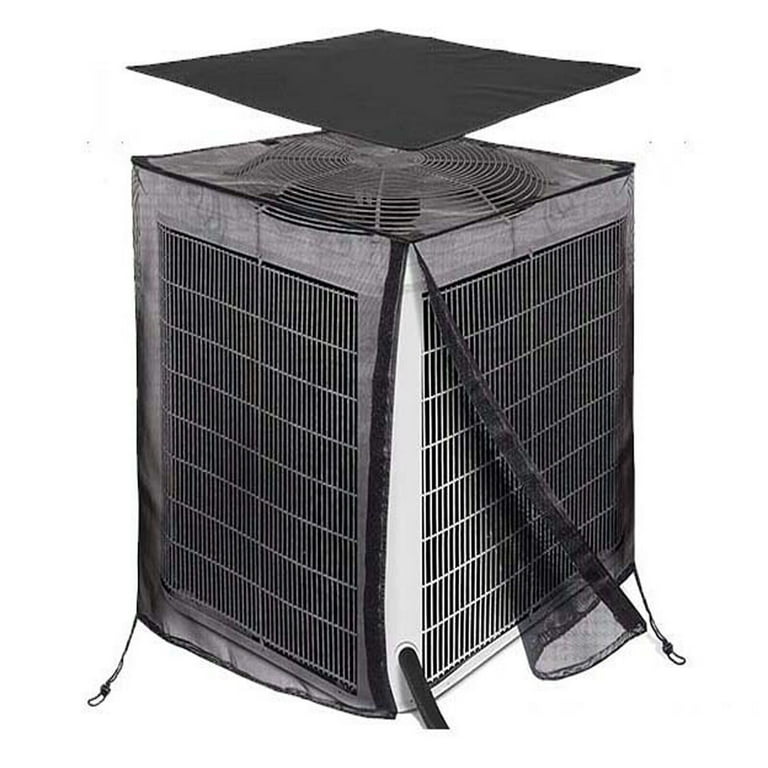
Professional air conditioning solutions for optimal comfort during hot West Virginia summers.
Air Quality
Improve your indoor air quality with our comprehensive ventilation and filtration services.
Smart Thermostats
Upgrade to intelligent climate control with professional thermostat installation and setup.
Mini Split Systems
Efficient ductless heating and cooling solutions for any space in your home or business.
Maintenance Plans
Keep your HVAC system running efficiently with our comprehensive maintenance programs.
Heating
Expert furnace installation, repair, and maintenance services
Cooling
Professional AC installation and comprehensive maintenance
Air Quality
Indoor air quality solutions for healthier living spaces
Contact Us
Ready to schedule your HVAC service? Fill out the form and we’ll get back to you as soon as possible.
Call Us
Email Us
Our Service Area
Proudly serving communities across West Virginia
We’re here to keep your home and business comfortable year-round.
Frequently Asked Questions
Why is my air conditioner not blowing cold air?
Low refrigerant levels, dirty air filters, frozen evaporator coils, or thermostat issues could be the cause. Our technicians can diagnose and fix the problem quickly.
How often should my HVAC system be serviced?
We recommend professional maintenance twice a year—once in spring for your AC and once in fall for your heating system—to ensure optimal performance and prevent breakdowns.
What size HVAC system do I need for my home?
System size depends on your home’s square footage, insulation, ceiling height, and climate zone. Our experts perform load calculations to determine the perfect fit for maximum efficiency.
How long does an HVAC system typically last?
With proper maintenance, furnaces last 15-20 years, air conditioners 10-15 years, and heat pumps 10-15 years. Regular service extends equipment lifespan significantly.
Is it worth upgrading to a smart thermostat?
Yes! Smart thermostats can reduce energy bills by 10-23% through automated scheduling, remote control, and learning your preferences. Most homeowners see ROI within 2 years.
What are the signs I need a new HVAC system?
Frequent repairs, rising energy bills, uneven temperatures, excessive noise, system age over 15 years, or using R-22 refrigerant are all indicators it’s time to replace.
Do you offer emergency HVAC services?
Absolutely! We provide 24/7 emergency service throughout West Virginia. Call 304-419-6789 anytime for urgent heating or cooling issues.