Expert Air Conditioning Installation
Expertly installed cooling systems that keep your home comfortable, efficient, and worry-free.
Residential Air Conditioning Installation in West Virginia — Costs, Choices, and Clear Guidance from UKV HVAC LLC
Keeping your home cool and comfortable in West Virginia is essential when summers heat up. UKV HVAC LLC provides expert air conditioning installation services across West Virginia and surrounding areas, ensuring your home remains an oasis of comfort. This comprehensive guide explains what to expect for AC installation: typical costs, system types, how to choose the right unit, and our professional installation process. We’ll help you balance efficiency, comfort, and price so you can choose the right solution for your home. Whether you’re replacing an old unit or installing AC for the first time, our practical details and expert guidance simplify the process.
Ready for a Cooler Home?
Get a free, no-obligation estimate for your new AC system installation. Our experts are ready to help!
When Should You Consider Installing a New Air Conditioning System?
- Age of Your Unit: Most AC systems last 10-15 years. If your unit is older than this, its efficiency likely has declined significantly, and it may be more prone to breakdowns. Older units often use outdated technology that consumes more energy.
- Frequent Breakdowns and Costly Repairs: If you’re constantly calling for repairs, or if a single repair costs more than 50% of a new unit, replacement is often the more economical choice in the long run. The cumulative cost of repairs can quickly exceed the investment in a new, more reliable system.
- Rising Energy Bills: An aging or inefficient AC system has to work harder to cool your home, leading to higher electricity consumption and inflated utility bills. Newer models boast significantly higher SEER/SEER2 ratings, offering substantial savings.
- Inconsistent Cooling: If some rooms are too hot while others are too cold, your system might be struggling to distribute air effectively, or it could be improperly sized. This indicates a system that can no longer meet your home’s demands, leading to discomfort and wasted energy.
- Strange Noises or Odors: Grinding, squealing, banging, or persistent musty smells from your AC unit can indicate serious mechanical problems or mold growth, signaling a need for replacement. These issues often point to failing components or unhealthy air quality.
- Still Using R-22 Refrigerant: R-22 (Freon) is being phased out due to environmental concerns and regulatory mandates. If your system uses R-22, future repairs involving refrigerant will be very expensive and difficult to source, making replacement a smart move.
Optimizing Residential HVAC Systems for Minimal Life Cycle Cost - An optimization simulation environment is developed to select not only the HVAC system but also the building envelope and HVAC system features to minimize the life cycle cost of operating a residential building.
Optimization of envelope and HVAC systems selection for residential buildings, Y Bichiou, 2011
How Much Does Residential AC Installation Cost in West Virginia?
What Affects Installation Prices?
- System type and size: Central air, mini-splits, and heat pumps have different price ranges; larger systems cost more due to extra parts and labor. The more complex the technology (e.g., variable-speed compressors), the higher the initial investment.
- Installation complexity: New ductwork, electrical upgrades, or structural work raise costs. Retrofits usually take longer than like-for-like replacements, especially if significant modifications are needed to accommodate a new system.
- Local market conditions: Labor rates, parts availability, and seasonal demand affect pricing across West Virginia. UKV HVAC LLC offers competitive pricing while ensuring top-quality service and materials.

Are There Financing or Federal Tax Credit Options?
- Financing: Many HVAC companies, including UKV HVAC LLC, offer flexible payment plans to spread the cost over months or years. This makes high-efficiency systems more accessible and manageable for your budget.
- Federal tax credits and rebates: ENERGY STAR certified or other energy-efficient equipment may qualify for federal tax credits or local utility rebates. Rules and available programs change, so confirm current eligibility with UKV HVAC LLC or your local utility provider before you buy.
Local Energy Efficiency Programs: Rebates & Tax Incentives - Local energy-efficiency programs can promote the manufacture and purchase of energy-efficient products and services. These programs can offer rebates, and working with local government, could arrange for tax incentives to further encourage adoption.
A Guideline for Establishing Local Energy-Efficiency Programs in Virginia, 2010
Need Expert Advice on Air Conditioning Installation?
Our team at UKV HVAC LLC is here to help you navigate your options and find the perfect heating solution.
What Types of Residential Air Conditioning Systems Can You Choose?
Residential HVAC System Selection for Cost-Effective Energy Efficiency - HVAC is responsible for the largest share of energy use in residential buildings and plays a critical role in achieving comfortable and cost-effective residential net-zero energy buildings. This paper presents a comprehensive evaluation of commercially-available HVAC technologies for a residential NZEB.
Selecting HVAC systems to achieve comfortable and cost-effective residential net-zero energy buildings, W Wu, 2018
Central Air, Mini-Split, and Heat Pump — How They Compare
| System Type | Description & Ideal Use | Efficiency Rating | Installation Requirements | Cost Considerations |
|---|---|---|---|---|
| Central Air Conditioning | Cools an entire home through a network of ducts. Ideal for homes with existing ductwork or new constructions, providing uniform cooling. | High (SEER ratings typically 13-26) | Requires extensive ductwork throughout the home. Installation involves both indoor (furnace/air handler) and outdoor (condenser) units. | $3,000 - $8,000. Higher upfront cost if ductwork needs to be installed or replaced, but often the most cost-effective for whole-home cooling. |
| Ductless Mini-Split Systems | <Provides zoned cooling (and heating) to individual rooms or areas without ductwork. Great for additions, converted spaces, or homes without existing ducts, offering precise temperature control. | Very High (SEER ratings typically 18-30+) | No ductwork needed; requires an outdoor unit and one or more indoor air handlers connected by refrigerant lines through a small wall opening. | $2,000 - $5,000 per zone. Can be more expensive for multiple zones than a single central unit, but offers significant energy savings in specific areas. |
| Heat Pump Systems | Offers both heating and cooling by transferring heat, rather than generating it. Highly efficient in moderate climates like West Virginia. Can be ducted (like central air) or ductless (like mini-splits). | High (SEER ratings 14-22, HSPF ratings 8-12.5) | May require ductwork (for forced-air models) or no ductwork (for ductless models). Similar installation to central AC but with a reversible refrigerant flow. | $4,000 - $7,500. Provides year-round comfort, potentially offsetting heating costs significantly, making it a cost-effective long-term solution. |
Choosing the Right Size and Efficiency Level for Your New AC
- Sizing (BTUs/Tonnage): AC capacity is measured in British Thermal Units (BTUs) or tons (1 ton = 12,000 BTUs). This isn’t just about square footage; factors like ceiling height, insulation levels, window types and exposure, the number of occupants, and heat-generating appliances all play a role. UKV HVAC LLC performs a detailed Manual J load calculation to determine the precise cooling needs of your home, ensuring optimal performance and efficiency.
- Efficiency Ratings (SEER, SEER2, EER, HSPF): Investing in a higher-efficiency unit (higher SEER/SEER2) will have a higher upfront cost but can lead to significant long-term savings on energy bills, often paying for itself over the system‘s lifespan.
- SEER (Seasonal Energy Efficiency Ratio): Measures cooling efficiency over an entire cooling season. Higher SEER means greater efficiency. The minimum SEER for new ACs is now 14-15, depending on region.
- SEER2: A new rating standard introduced in 2023, reflecting more realistic operating conditions with a different testing procedure. A SEER2 rating will typically be slightly lower than an equivalent SEER rating for the same unit, but represents the same real-world efficiency.
- EER (Energy Efficiency Ratio): Measures cooling efficiency at a specific outdoor temperature (95°F). Useful for comparing performance in peak heat conditions.
- HSPF (Heating Seasonal Performance Factor): Specific to heat pumps, measuring heating efficiency over a season. Higher HSPF indicates better heating performance.
Upgrade Your Home’s Cooling Comfort Today!
What Happens During a Professional AC Installation with UKV HVAC LLC?
Knowing the typical steps makes installation smoother and reduces surprises. Our certified technicians ensure a seamless and efficient installation process, minimizing disruption to your home and maximizing your new system's performance.
How Do UKV HVAC Techs Size and Assess Your System?
What Should I Expect During Installation and After?
- Initial Consultation & Planning: After your assessment, we’ll discuss your options, provide a detailed, transparent quote, and schedule the installation at your convenience. We ensure you understand every step.
- Preparation & Old Unit Removal: Our team will prepare the work area, protecting your home with drop cloths and covers. If it’s a replacement, we’ll safely disconnect and remove your old AC unit, ensuring proper and environmentally responsible disposal.
- Ductwork Inspection & Modification (if applicable): We’ll inspect existing ductwork for leaks, damage, or inadequate sizing. We make necessary repairs, sealing, or modifications to ensure optimal airflow for your new system. For new ductwork installations, this is a critical and precise step.
- Indoor Unit Installation: The new indoor coil or air handler is carefully positioned and securely connected to your existing or new ductwork, ensuring proper alignment and sealing.
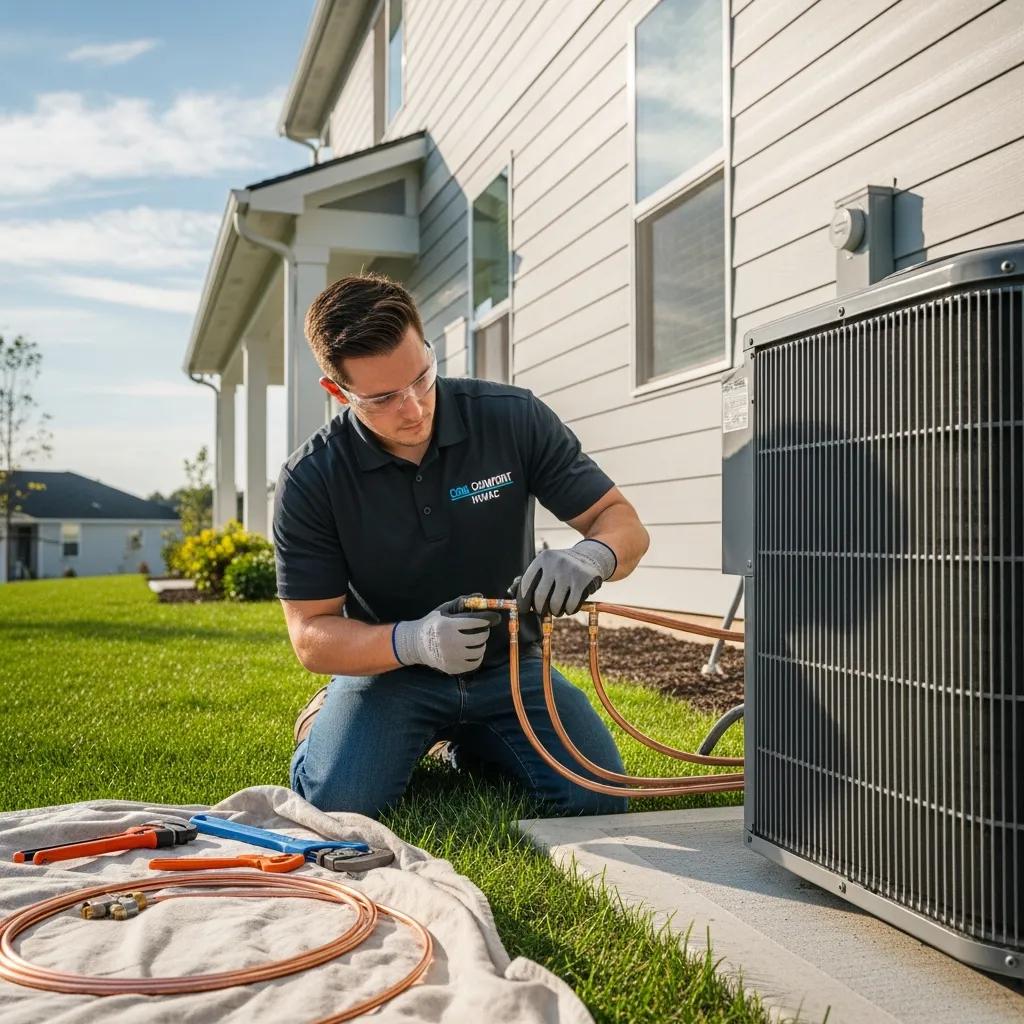
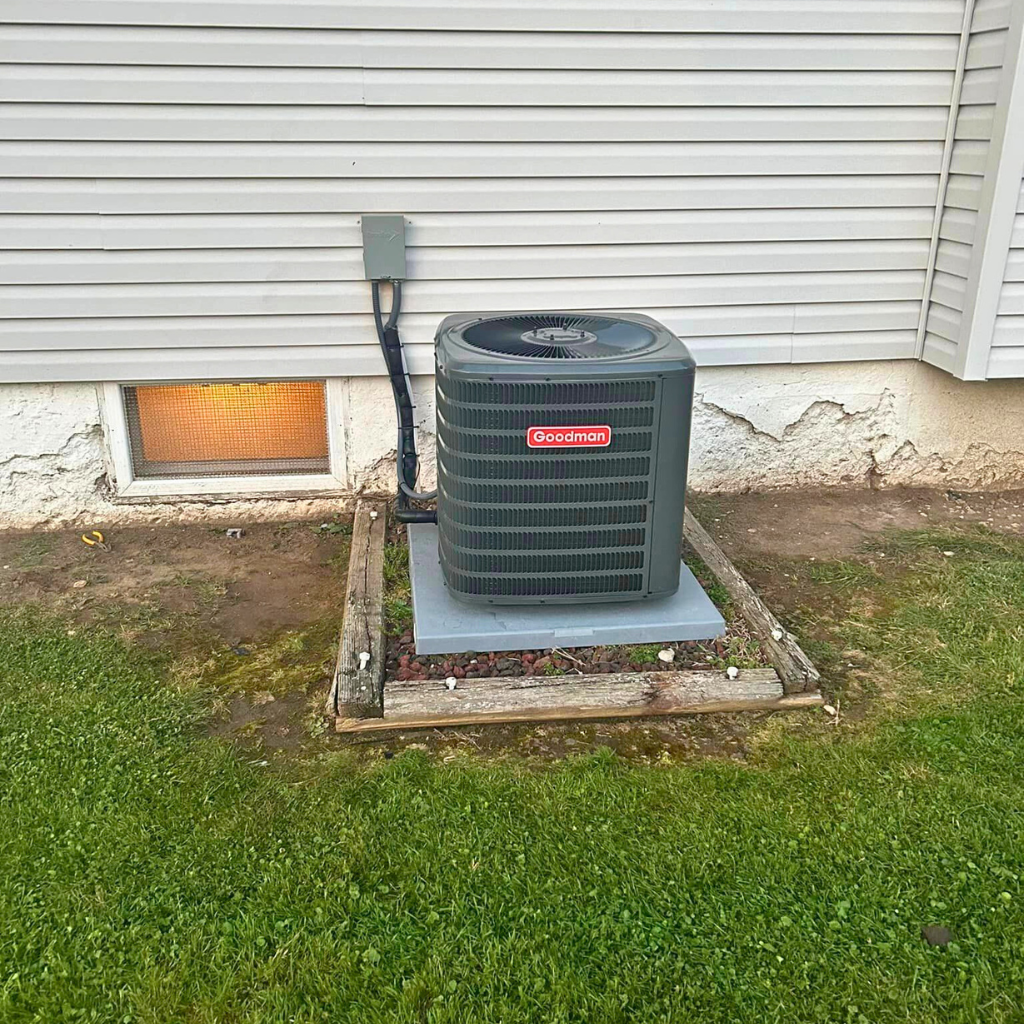
- Outdoor Unit Installation: The condenser unit is placed on a level pad outside your home, ensuring proper clearance for airflow, maintenance, and optimal performance.
- Refrigerant Lines & Electrical Connections: New refrigerant lines are run between the indoor and outdoor units, and all necessary electrical connections are made safely and according to local codes and manufacturer specifications.
- Vacuum & Charge System: The refrigerant lines are thoroughly evacuated to remove any moisture or contaminants, then charged with the correct amount and type of refrigerant, crucial for efficiency and longevity.
- Performance Testing & Calibration: We run comprehensive tests to check pressures, temperatures, airflow, and controls, ensuring the system operates at peak efficiency, cools effectively, and meets all manufacturer specifications.
- Homeowner Walkthrough & Education: Our technicians will walk you through your new system, explain its features, demonstrate thermostat operation, and answer any questions you have about maintenance and care.
- Cleanup: We ensure the work area is thoroughly cleaned, removing all debris and leaving your home as tidy as we found it.
- Follow-up: We verify operation after installation and are available to address any questions or adjustments, ensuring your complete satisfaction.
How to Choose a Qualified HVAC Contractor for AC Installation
Choosing the right contractor is as important as choosing the right AC system. A qualified HVAC contractor ensures your system is installed correctly, operates efficiently, and provides lasting comfort. When selecting an HVAC contractor for your AC installation, consider these crucial factors, all of which UKV HVAC LLC proudly embodies:
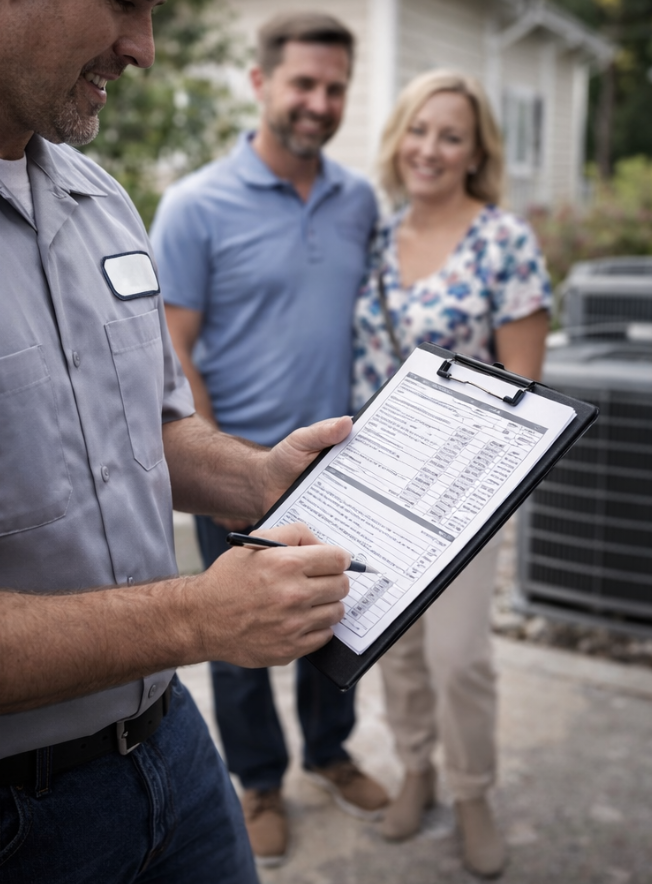
- Licensed and Insured: Always verify that the contractor is fully licensed and insured in West Virginia and surrounding areas. This protects you from liability and ensures compliance with local regulations and safety standards. UKV HVAC LLC holds all necessary licenses and comprehensive insurance.
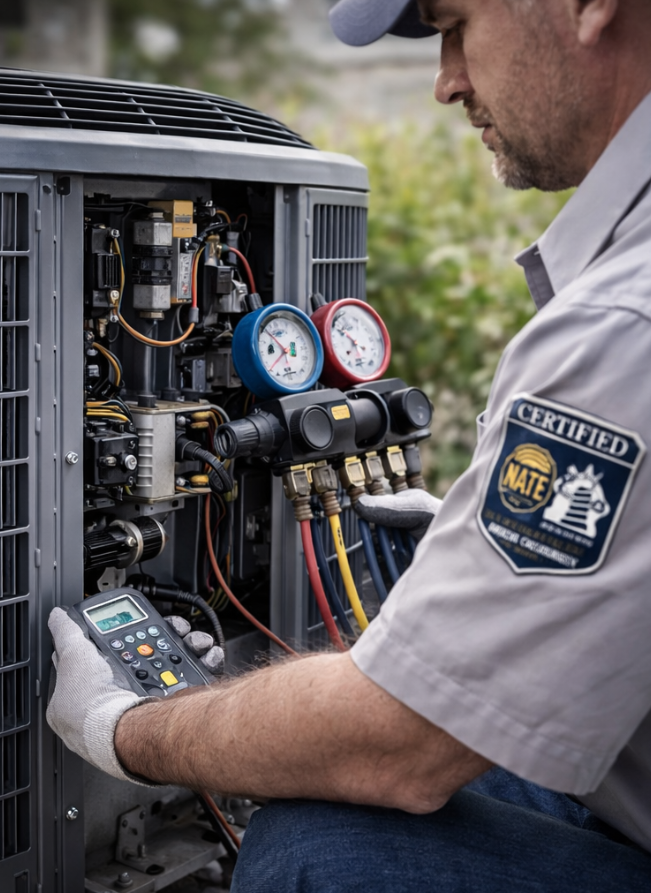
- Experience and Expertise: Look for a company with a proven track record. Our technicians are highly trained, NATE-certified (North American Technician Excellence), and possess extensive experience with all types of AC systems and installations, from traditional central air to modern mini-splits and heat pumps.
- Local Reputation and Reviews: A strong local reputation is a testament to quality service. We are a trusted local business with a strong track record of customer satisfaction. Check our testimonials and online reviews to see what your neighbors say about our commitment to excellence.
- Transparent Pricing: Demand detailed, upfront estimates with no hidden fees. UKV HVAC LLC provides clear, itemized quotes, ensuring you understand the full cost before any work begins, so there are no surprises.
- Warranties and Guarantees: A reputable contractor stands behind their work. We offer comprehensive warranties on both equipment and labor, giving you peace of mind and protecting your investment.
- Emergency Services: Comfort emergencies can happen at any time. We offer prompt emergency services, ensuring you’re never left without comfort when you need it most, even after installation.
- Repair-First Approach: A good contractor will always prioritize your best interest. We repair when it makes sense to extend equipment life and save money. When replacement is the better long-term choice, we’ll explain the reasons and show the numbers, always prioritizing your best interest and long-term savings.
What Emergency and Local Services Do We Offer?
Connect with UKV HVAC LLC Today!
Frequently Asked Questions
What maintenance is required for air conditioning systems after installation?
Regular maintenance keeps systems efficient and reliable. We recommend an annual professional check (clean coils, verify refrigerant, test electricals). At home, change or clean filters every 1–3 months, keep the outdoor unit clear of debris, and ensure proper drainage to prevent breakdowns and higher energy bills.
How can I improve the energy efficiency of my air conditioning system?
Improve insulation and seal ducts to retain cooled air. Use a programmable or smart thermostat, keep filters and coils clean, use ceiling fans to aid circulation, and consider a higher-efficiency replacement when the system ages. Regular professional tune-ups are also key.
What are the signs that my air conditioning system needs repair?
Look for inconsistent cooling, odd noises (grinding, squealing), unusual odors (musty, burning), rising energy bills without increased usage, frequent cycling (turning on and off rapidly), or water leaks around the unit. Early diagnosis usually leads to simpler, less costly repairs.
Are there any specific permits required for air conditioning installation in West Virginia?
Permits vary by county and city within West Virginia. As a professional contractor, UKV HVAC LLC will arrange all necessary permits and inspections to ensure the work meets local codes and avoids issues during future home sales or insurance claims. Always confirm with your contractor or local building department.
How long does the air conditioning installation process typically take?
Standard installations, such as a like-for-like replacement, usually take a few hours to a full day. Jobs requiring new ductwork, major electrical work, or significant retrofitting can take longer, sometimes up to two days. We’ll provide a clear timeline after the on-site assessment.
What should I do if my air conditioning system is not cooling effectively?
Your Trusted Partner for AC Installation in West Virginia
Experience the UKV HVAC LLC Difference
West Virginia's Premier HVAC and Electrical Contractor
At UKV HVAC, we proudly deliver top-tier HVAC and air quality services across West Virginia, serving both residential and commercial clients. As a family-owned business, we’re rooted in our community, committed to offering the best solutions at unbeatable prices. From the moment you call to the completion of your service, we ensure confidence and satisfaction every step of the way. Our expert technicians handle all makes and models, delivering reliable heating, cooling, and soon, electrical services statewide.
Don’t wait—reach out today for comfort you can trust!
Family-owned and community-focused
Expert technicians for all makes and models
Best solutions at unbeatable prices
General Residential HVAC Services
HVAC Installation, Service, Maintenance
Heating
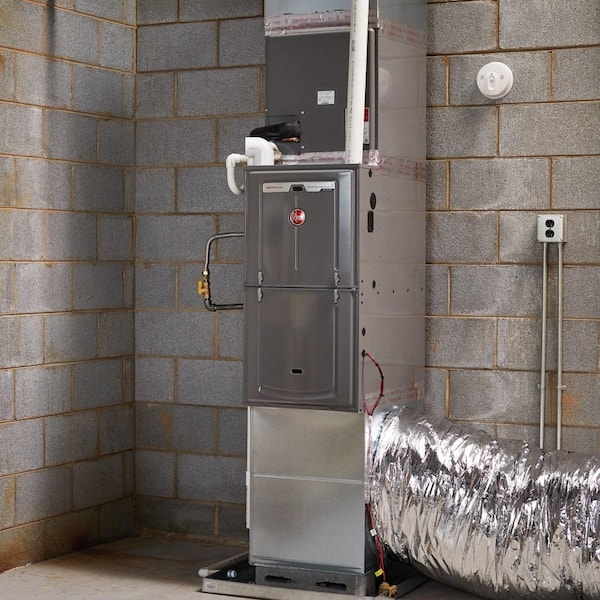
Expert furnace installation, repair, and maintenance to keep your home warm all winter long.
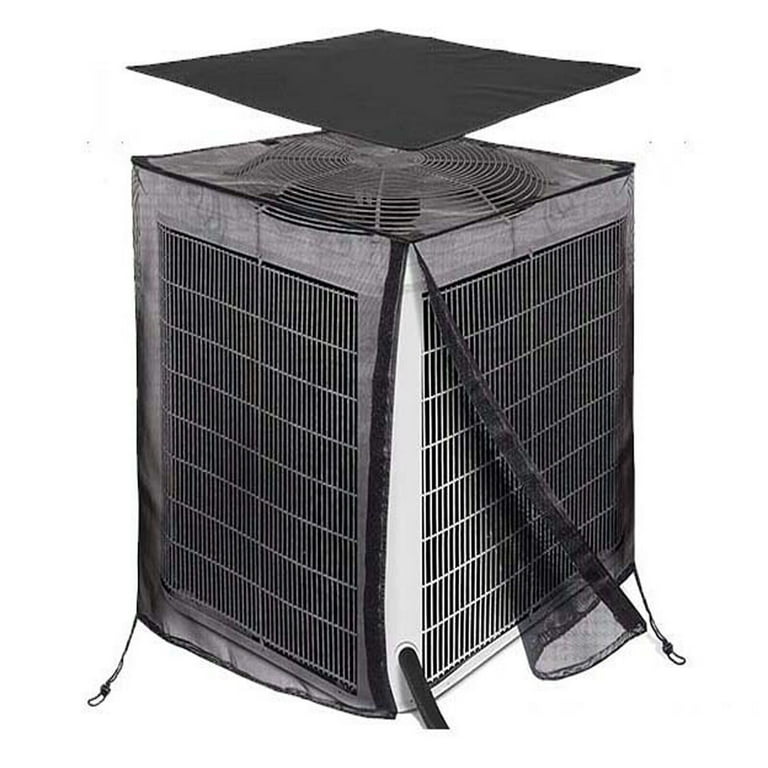
Cooling Services
Professional air conditioning solutions for optimal comfort during hot West Virginia summers.
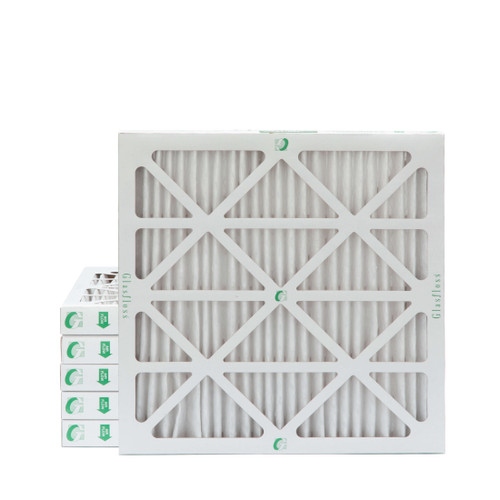
Air Quality
Improve your indoor air quality with our comprehensive ventilation and filtration services.
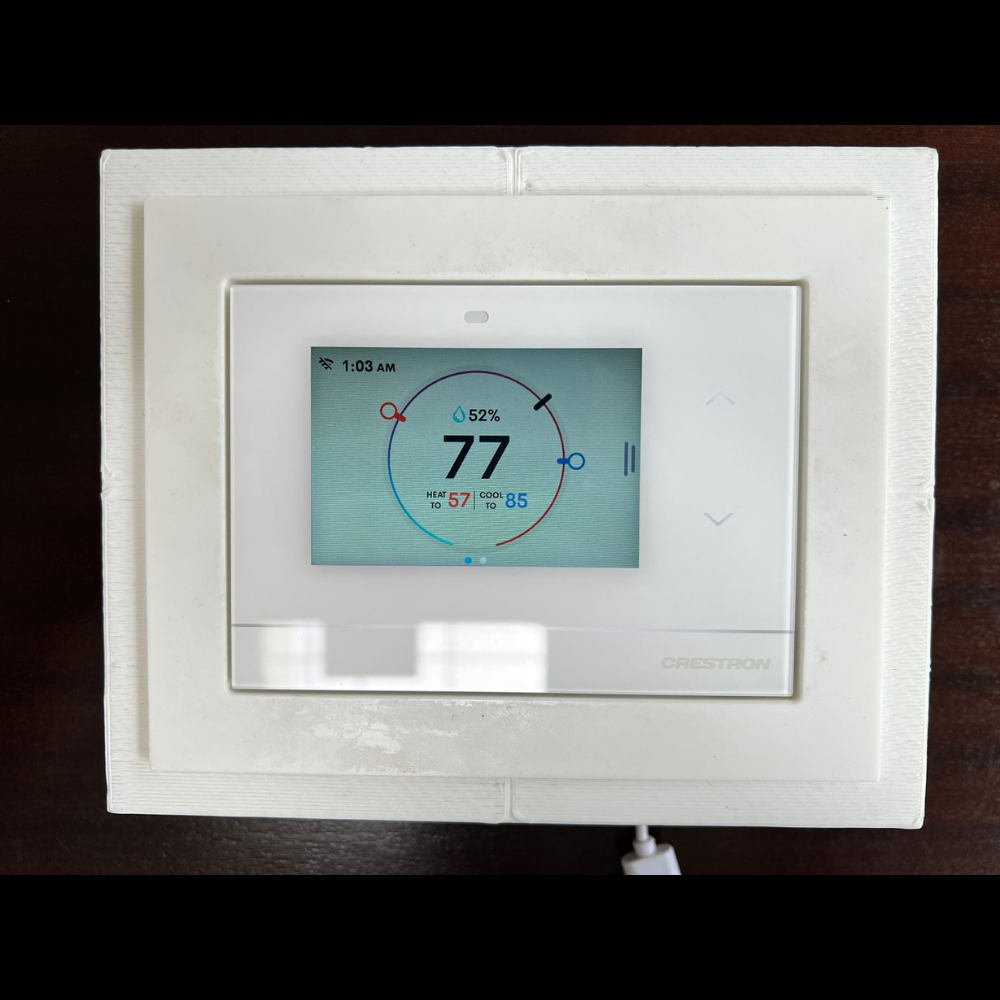
Smart Thermostats
Upgrade to intelligent climate control with professional thermostat installation and setup.
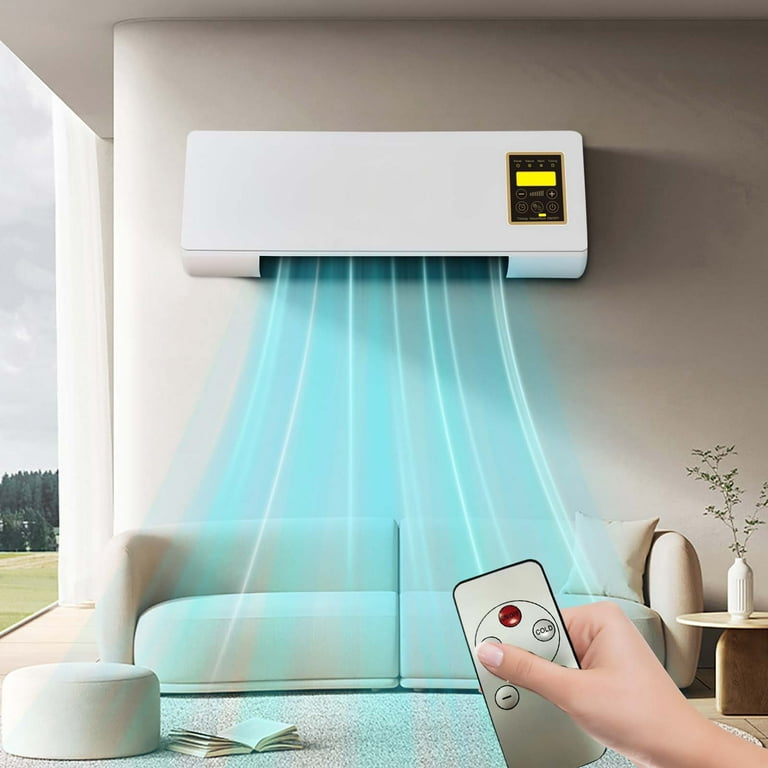
Mini Split Systems
Efficient ductless heating and cooling solutions for any space in your home or business.
Maintenance Plans
Keep your HVAC system running efficiently with our comprehensive maintenance programs.

Heating
Expert furnace installation, repair, and maintenance services

Cooling
Professional AC installation and comprehensive maintenance

Air Quality
Indoor air quality solutions for healthier living spaces
Contact Us
Ready to schedule your HVAC service? Fill out the form and we’ll get back to you as soon as possible.
Call Us
Email Us
Our Service Area
Proudly serving communities across West Virginia
Frequently Asked Questions
Why is my air conditioner not blowing cold air?
Low refrigerant levels, dirty air filters, frozen evaporator coils, or thermostat issues could be the cause. Our technicians can diagnose and fix the problem quickly.
How often should my HVAC system be serviced?
We recommend professional maintenance twice a year—once in spring for your AC and once in fall for your heating system—to ensure optimal performance and prevent breakdowns.
What size HVAC system do I need for my home?
System size depends on your home’s square footage, insulation, ceiling height, and climate zone. Our experts perform load calculations to determine the perfect fit for maximum efficiency.
How long does an HVAC system typically last?
With proper maintenance, furnaces last 15-20 years, air conditioners 10-15 years, and heat pumps 10-15 years. Regular service extends equipment lifespan significantly.
Is it worth upgrading to a smart thermostat?
Yes! Smart thermostats can reduce energy bills by 10-23% through automated scheduling, remote control, and learning your preferences. Most homeowners see ROI within 2 years.
What are the signs I need a new HVAC system?
Frequent repairs, rising energy bills, uneven temperatures, excessive noise, system age over 15 years, or using R-22 refrigerant are all indicators it’s time to replace.
Do you offer emergency HVAC services?
Absolutely! We provide 24/7 emergency service throughout West Virginia. Call 304-419-6789 anytime for urgent heating or cooling issues.