Emergency Services Available 24/7

Expert Commercial HVAC Solutions Services in West Virginia

Reliable Installation, Repair, and Maintenance for Commercial Facilities

Commercial HVAC Solutions Built for West Virginia
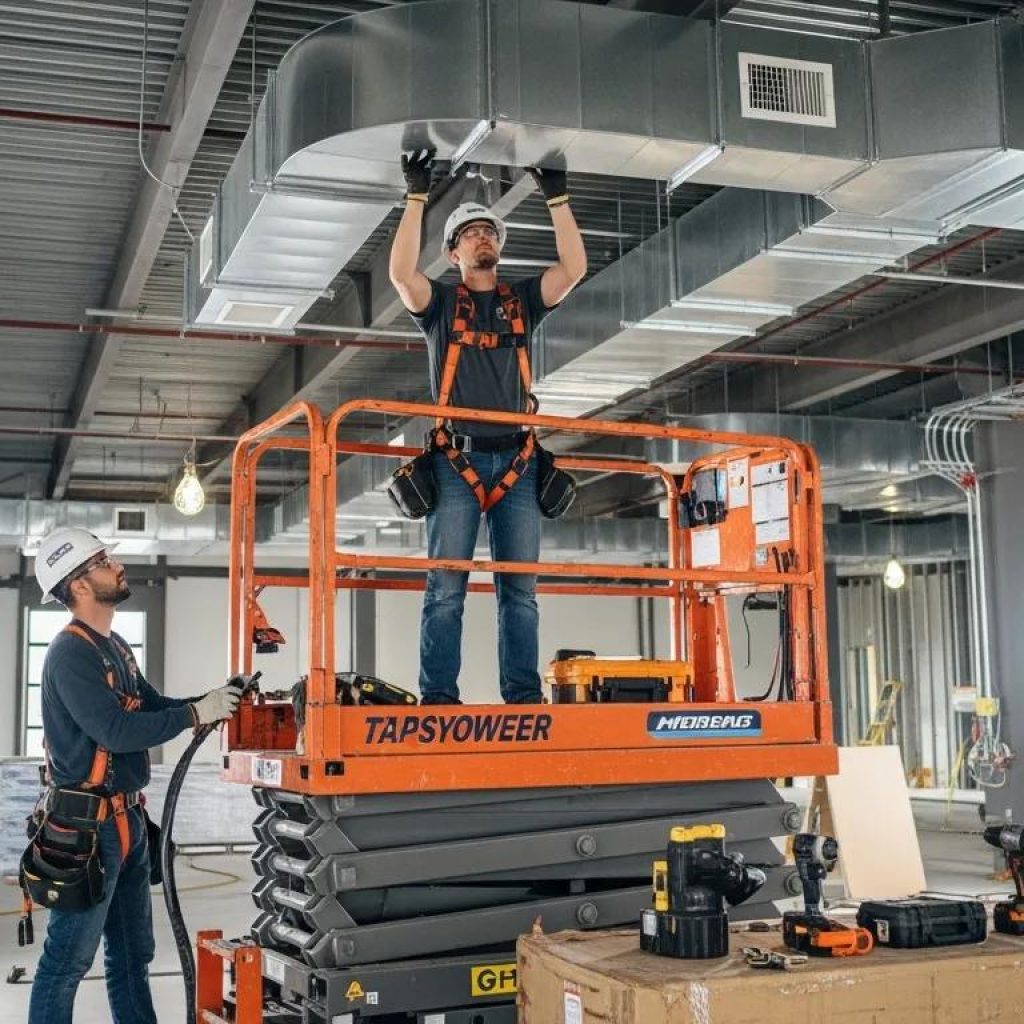
Installing a commercial HVAC system keeps your building comfortable, safe, and energy-efficient. This guide covers common system types, the installation sequence, key cost drivers in West Virginia, and how to choose a contractor so business owners can plan with confidence.
 
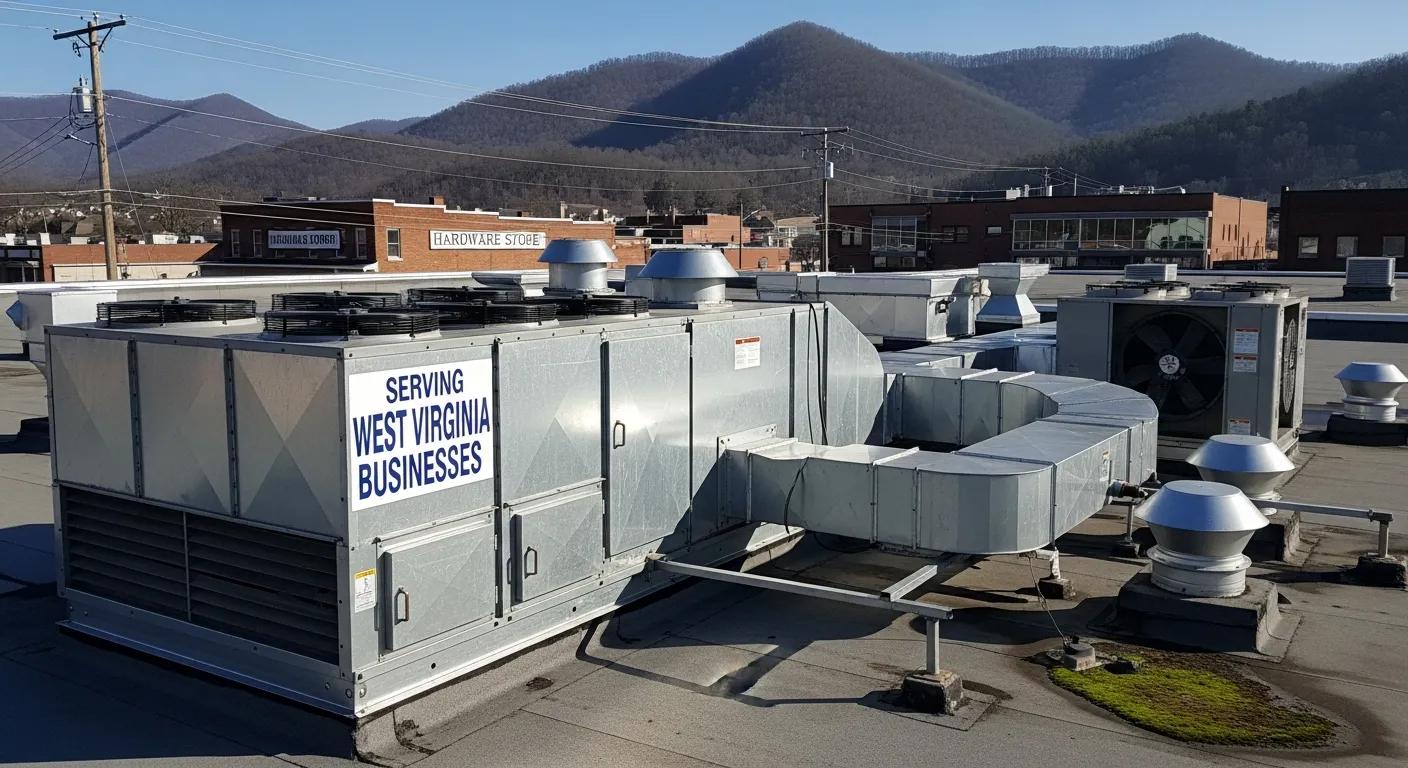
Commercial hvac system serving west virginia

Plan Your Commercial HVAC Project With Confidence

Understanding the cost factors upfront helps you avoid surprises. Our team will evaluate your building, system requirements, labor needs, and local regulations to provide a clear, accurate estimate.

What Are the Main Types of Commercial HVAC Systems?

Commercial HVAC systems handle heating, cooling, and ventilation for larger spaces. The most common choices are rooftop units (RTUs), variable refrigerant flow (VRF) systems, and chiller-based setups. Each is suited to different building sizes, layouts, and energy goals—match the system to your needs for reliable performance.

Rooftop Units: Ideal for Large Commercial Buildings

RTUs mount on the roof to save indoor space and simplify service access. These packaged units combine heating and cooling and work across varied climates. For large facilities, RTUs are often cost-effective and reduce interior ductwork and installation disruption.
 

Variable Refrigerant Flow Systems: Zoned Comfort for Offices and Hotels

VRF systems deliver precise, zoned temperature control, letting you heat or cool individual areas by occupancy. That improves comfort and reduces wasted energy and is especially useful where ductwork is impractical or space is limited during retrofits.
 

Chiller Systems: Efficient Cooling for Large Facilities

Chillers circulate chilled water to air handlers or fan-coil units and are efficient where cooling loads are high—campuses, hospitals, and manufacturing sites. Proper sizing ensures steady, efficient performance for continuous heavy-duty cooling.
 

How Does the Commercial HVAC Installation Process Work?

A smooth commercial installation follows a clear sequence. Knowing the steps ahead helps you set expectations, limit downtime, and choose equipment and scheduling that fit your operation.
 

Initial Consultation & Site Assessment

An on-site consultation reviews plans, inspects existing equipment, observes occupancy patterns, and confirms comfort and efficiency goals. That assessment guides system design, equipment selection, and any layout changes so the new system fits your building and budget.
 

Professional Installation & System Testing

After design approval, the installation crew handles ductwork, controls, equipment placement, and mechanical connections. We then run tests—airflow balancing, control checks, and performance tuning—to confirm the system operates safely and efficiently before handover.
 

What Factors Influence Commercial HVAC Installation Cost in West Virginia?

Several variables affect installation cost. Understanding them helps you budget realistically and choose options that deliver the best long-term value.
 

System Type, Building Size, and Energy Efficiency
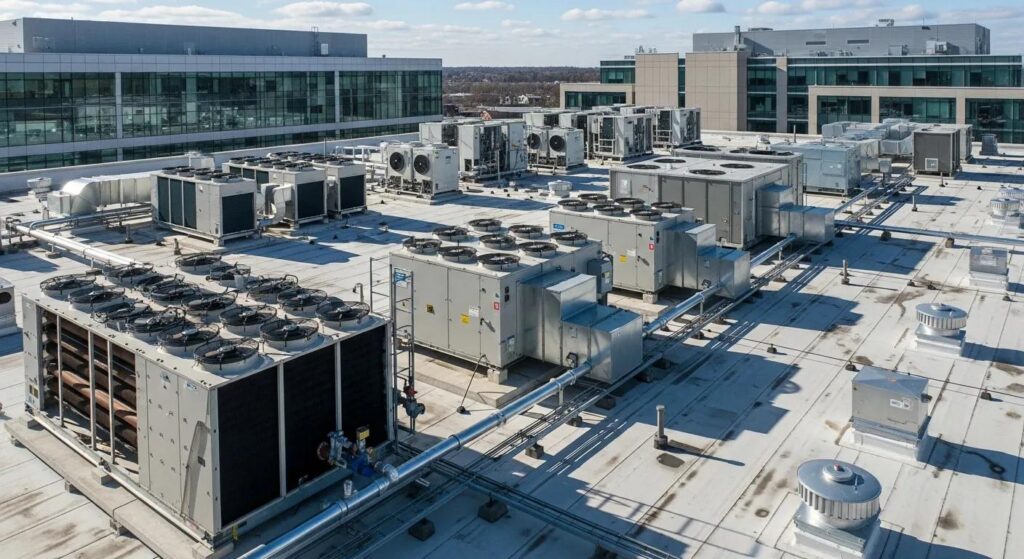
The chosen system drives much of the cost—RTUs, VRF, and chillers each need different equipment and labor. Building square footage and layout determine capacity and ducting needs. Higher-efficiency equipment costs more up front but lowers operating expenses over time, so include lifecycle savings in your decision.
 
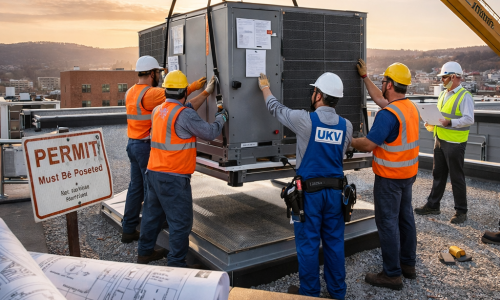
Commercial HVAC technicians installing a rooftop HVAC unit with a crane, coordinating labor, permits, and code compliance during a commercial installation project.

Labor, Permits, and Local Regulations

 
Labor complexity and local wage rates affect pricing—projects needing roof work, crane lifts, or after-hours access cost more. Permits, code compliance, and inspections add time and fees, so include these in your budget to avoid surprises.

Need Expert Advice on Commercial HVAC Installation

Our team at UKV HVAC LLC is here to help you navigate your options and find the perfect Commercial HVAC Installation solution.

Cost Factor Description Estimated Impact
System Type The choice between RTU, VRF, or chiller affects required equipment and installation scope High
Building Size Larger or unusually configured buildings need bigger or more complex systems High
Labor Costs Installation difficulty, roof access, and local labor rates affect the final price Medium
Permits and Regulations Local code requirements and inspections add time and fees to projects Medium
Keep these factors in mind to balance upfront cost against long-term savings and pick the right solution for your facility.
 

How to Choose the Right Commercial HVAC Contractor in West Virginia?

Choosing the right contractor matters as much as choosing equipment. Look for partners who understand commercial projects and the West Virginia market.

Experience, Certifications & Local Reputation

Prioritize contractors with commercial experience, proper licenses, and manufacturer certifications. Ask for examples of similar projects and speak with past clients to verify reliability and workmanship.

Experience the UKV HVAC Difference

Don’t settle for less when it comes to your facility’s comfort and efficiency. Trust the experts at UKV HVAC LLC for reliable, high-performance commercial HVAC solutions.

24/7 Service Availability and Warranty Coverage

Commercial systems need quick support—choose a contractor that offers emergency service and clear warranty terms. Fast response and solid warranties reduce downtime and unexpected costs.
UKV HVAC LLC is family-owned and rooted in West Virginia communities. We install, service, and maintain heating, cooling, and air-quality systems, including smart thermostats and mini-splits, and we offer 24/7 emergency service. Our service area includes Charleston, Beckley, Morgantown, and nearby cities.
 
Use these selection tips to find a contractor who delivers reliable installation and the ongoing support your operation needs.

Frequently Asked Questions

What are the benefits of regular maintenance for commercial HVAC systems?
Regular maintenance keeps systems efficient, extends equipment life, and prevents costly breakdowns. Inspections find small issues early, and clean filters and coils improve indoor air quality. Many businesses recoup maintenance costs through fewer emergency repairs and lower energy bills.
 
Proper sizing requires a load calculation that accounts for square footage, insulation, window area, and occupancy. An undersized system won’t keep up; an oversized unit wastes energy. Work with a qualified contractor for an accurate calculation and recommended capacity.
 
Commercial systems typically last 15–25 years, depending on type, usage, and maintenance. Regular service and timely repairs help extend equipment life.
High-efficiency equipment can significantly reduce energy use—often substantially compared to older units—thanks to variable-speed motors and smart controls. Efficient systems may also qualify for rebates or incentives, improving payback.
 
A balanced system delivers consistent temperatures and adequate airflow. Hot or cold spots, noisy vents, or fluctuating temperatures indicate imbalance. Compare vent temperatures and call a professional for airflow or damper adjustments.
 
Consider energy efficiency, compatibility with existing infrastructure, and current and future heating and cooling needs. Compare projected energy savings to upfront costs to estimate return on investment and consult an HVAC professional for tailored advice.
 
Typical maintenance includes seasonal inspections, filter changes, coil and duct cleaning, refrigerant checks, and airflow testing. Many businesses use service agreements so technicians perform these tasks on a schedule and catch small issues early.
 
Start with regular maintenance and proper tuning. Add programmable or smart controls, upgrade to higher-efficiency equipment, seal ductwork, and improve insulation. For larger buildings, a building management system (BMS) can optimize schedules and zone performance.
 
Watch for uneven temperatures, unusual noises, rising energy bills, short cycling, or strange odors. These symptoms suggest a technician should inspect worn parts or control issues before a failure occurs.
 
Timing depends on system type and complexity. Small installs may take days to a week; larger projects like chiller systems or full replacements can take several weeks. Discuss staging and timelines with your contractor to minimize disruption.
 
Yes. Many contractors and manufacturers offer financing, leasing, or payment plans to spread costs. Financing can make higher-efficiency equipment more affordable—ask contractors about available programs and terms.
 
Check thermostat settings and replace dirty filters first. Ensure outdoor units and vents are clear of debris. If issues persist, contact a qualified technician to inspect refrigerant levels, compressors, and controls.
 

Ready to Upgrade Your Home Comfort?

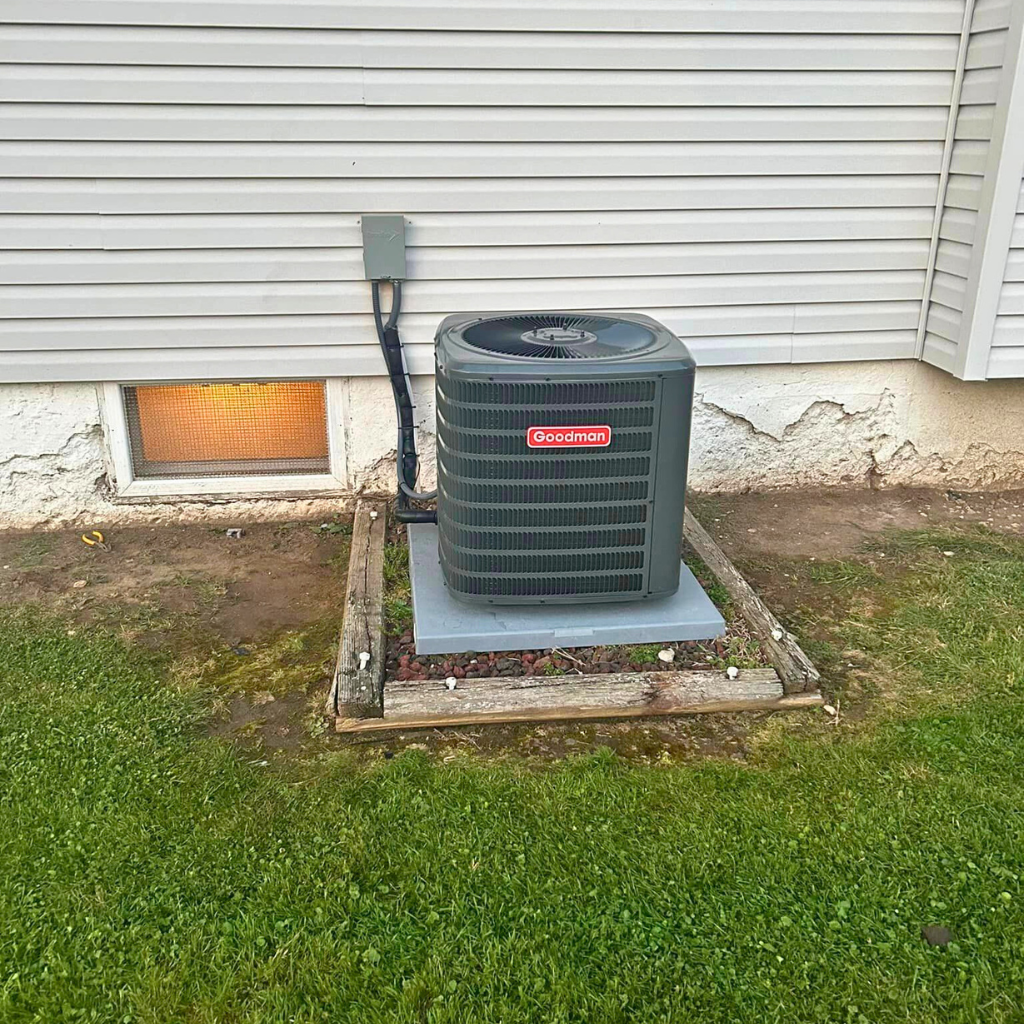
Don't wait for your old heat pump to fail. Invest in a reliable, energy-efficient replacement with UKV HVAC LLC.

Conclusion

Picking the right system and a trusted contractor ensures better comfort, dependable performance, and lower long-term costs. With an understanding of installation steps and cost drivers, you can make informed choices that match your facility’s needs. When you’re ready to improve efficiency and comfort, UKV HVAC LLC is here to help—contact us to schedule a consultation and get started.

West Virginia's Premier HVAC and Electrical Contractor

At UKV HVAC, we proudly deliver top-tier HVAC and air quality services across West Virginia, serving both residential and commercial clients. As a family-owned business, we’re rooted in our community, committed to offering the best solutions at unbeatable prices. From the moment you call to the completion of your service, we ensure confidence and satisfaction every step of the way. Our expert technicians handle all makes and models, delivering reliable heating, cooling, and soon, electrical services statewide.

Don’t wait—reach out today for comfort you can trust!

  • Family-owned and community-focused

  • Expert technicians for all makes and models

  • Best solutions at unbeatable prices

General Residential HVAC Services

HVAC Installation, Service, Maintenance
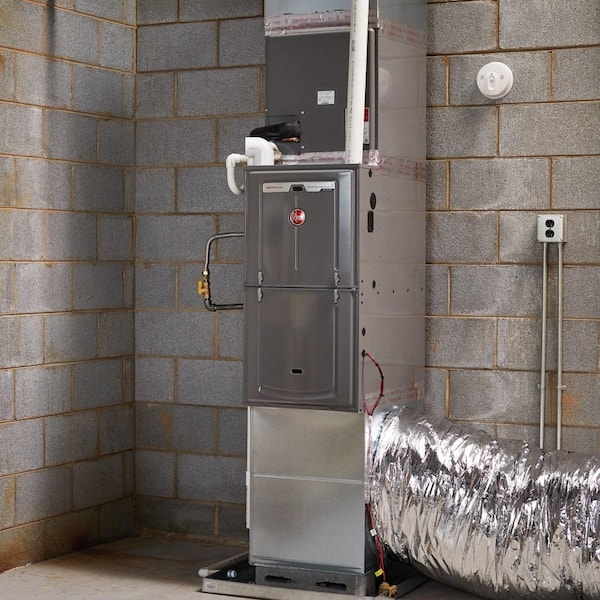
Heating

Expert furnace installation, repair, and maintenance to keep your home warm all winter long.
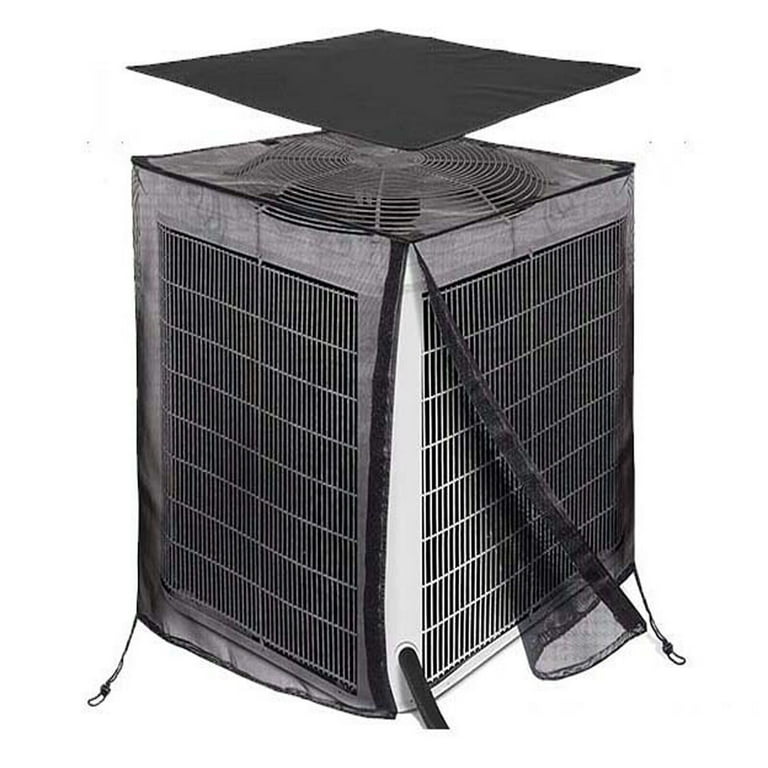
Cooling Services

Professional air conditioning solutions for optimal comfort during hot West Virginia summers.
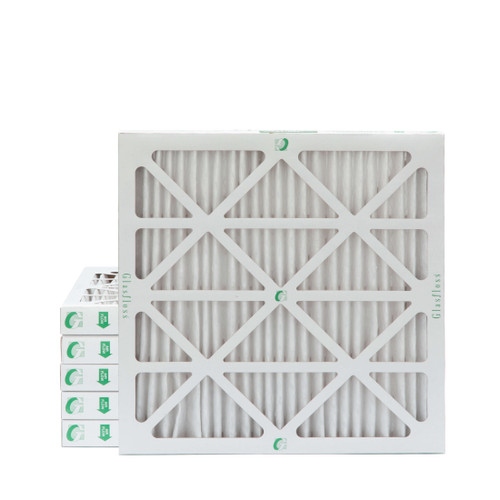
Air Quality

Improve your indoor air quality with our comprehensive ventilation and filtration services.
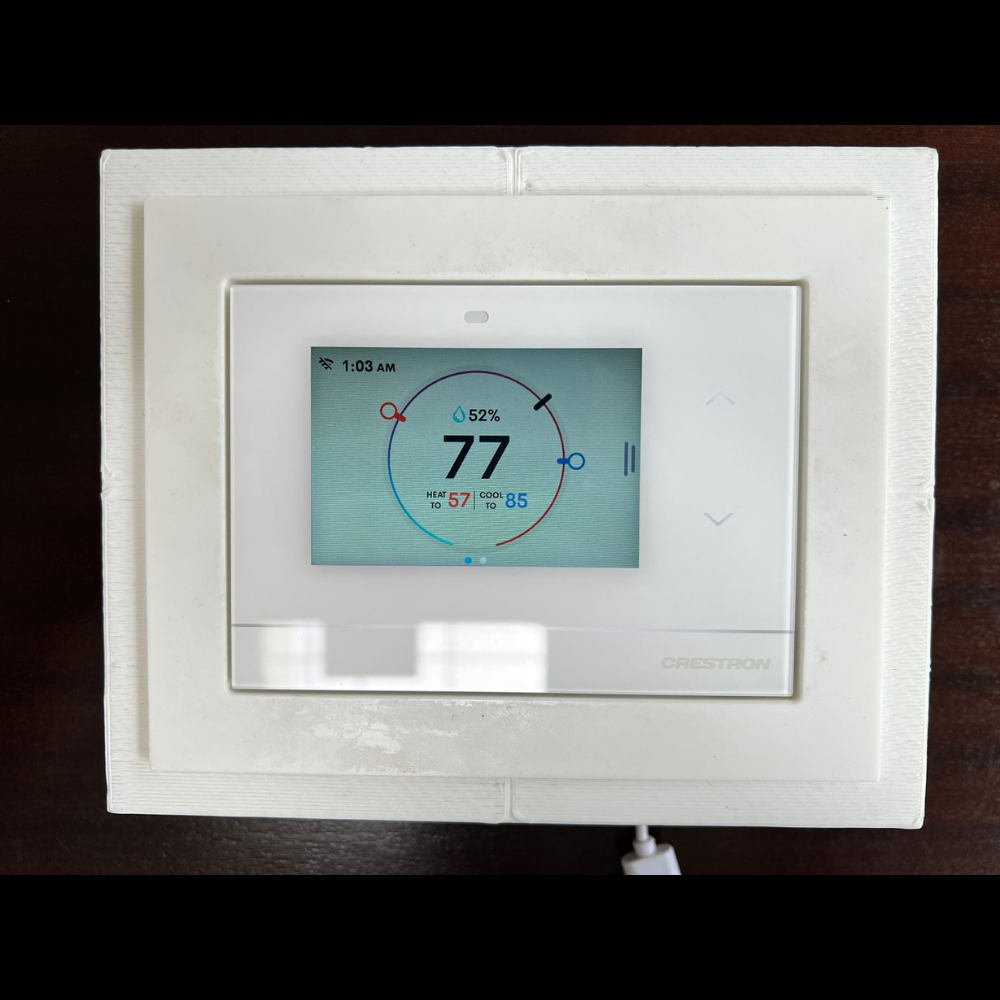
Smart Thermostats

Upgrade to intelligent climate control with professional thermostat installation and setup.
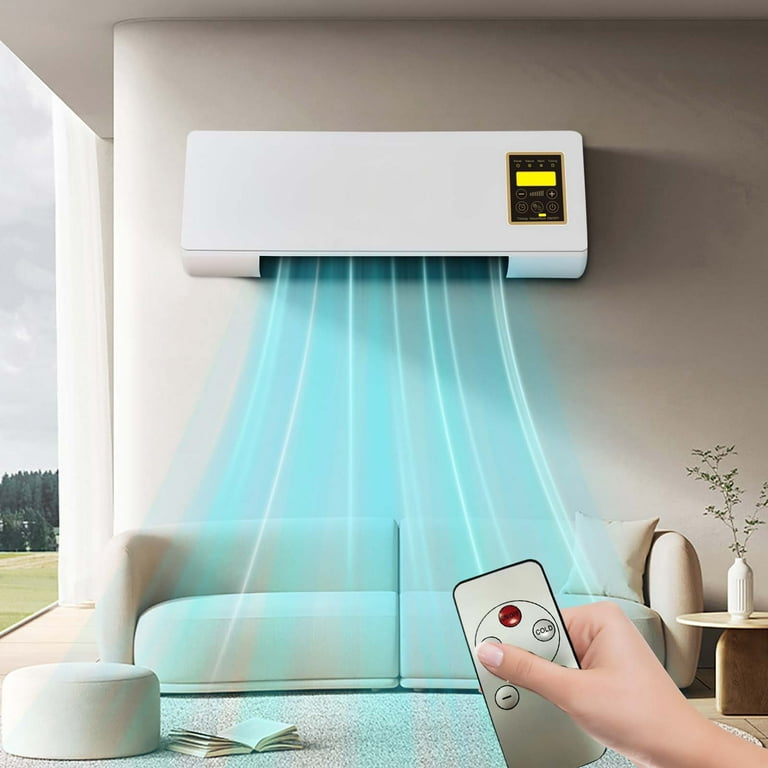
Mini Split Systems

Efficient ductless heating and cooling solutions for any space in your home or business.

Maintenance Plans

Keep your HVAC system running efficiently with our comprehensive maintenance programs.

Heating

Expert furnace installation, repair, and maintenance services

Cooling

Professional AC installation and comprehensive maintenance

Air Quality

Indoor air quality solutions for healthier living spaces

Contact Us

Ready to schedule your HVAC service? Fill out the form and we’ll get back to you as soon as possible.

Call Us

304-419-6789

Our Service Area

Proudly serving communities across West Virginia

Charleston
South Charleston
Saint Albans
Dunbar
Nitro
Cross Lanes
Marmet
Montgomery
Belle
Beckley
Elkview
Sissonville
Madison
Danville
Yawkee
Alum Creek
Clarksburg
Bridgeport
Fairmont
Morgantown
Cheat Lake
Westover
Weston
Lost Creek
Shinnston
Buckhannon
Grafton

Frequently Asked Questions

Why is my air conditioner not blowing cold air?

Low refrigerant levels, dirty air filters, frozen evaporator coils, or thermostat issues could be the cause. Our technicians can diagnose and fix the problem quickly.

We recommend professional maintenance twice a year—once in spring for your AC and once in fall for your heating system—to ensure optimal performance and prevent breakdowns.

System size depends on your home’s square footage, insulation, ceiling height, and climate zone. Our experts perform load calculations to determine the perfect fit for maximum efficiency.

With proper maintenance, furnaces last 15-20 years, air conditioners 10-15 years, and heat pumps 10-15 years. Regular service extends equipment lifespan significantly.

Yes! Smart thermostats can reduce energy bills by 10-23% through automated scheduling, remote control, and learning your preferences. Most homeowners see ROI within 2 years.

Frequent repairs, rising energy bills, uneven temperatures, excessive noise, system age over 15 years, or using R-22 refrigerant are all indicators it’s time to replace.

Absolutely! We provide 24/7 emergency service throughout West Virginia. Call 304-419-6789 anytime for urgent heating or cooling issues.