
Expert Heat Pump Replacement Services in West Virginia
Upgrade to a modern, energy-efficient heat pump with professional installation you can rely on.
Expert Heat Pump Replacement Services in West Virginia & Surrounding Areas | UKV HVAC LLC
For West Virginia homeowners, upgrading to a new, high-efficiency heat pump is a smart investment in comfort and energy savings. At UKV HVAC LLC, we specialize in professional heat pump replacement services, ensuring your home benefits from optimal heating and cooling performance tailored to our unique climate. Whether your current system is failing, inefficient, or simply outdated, our expert team provides comprehensive solutions from initial assessment to flawless installation. We serve West Virginia and surrounding areas, committed to delivering reliable, energy-efficient comfort.
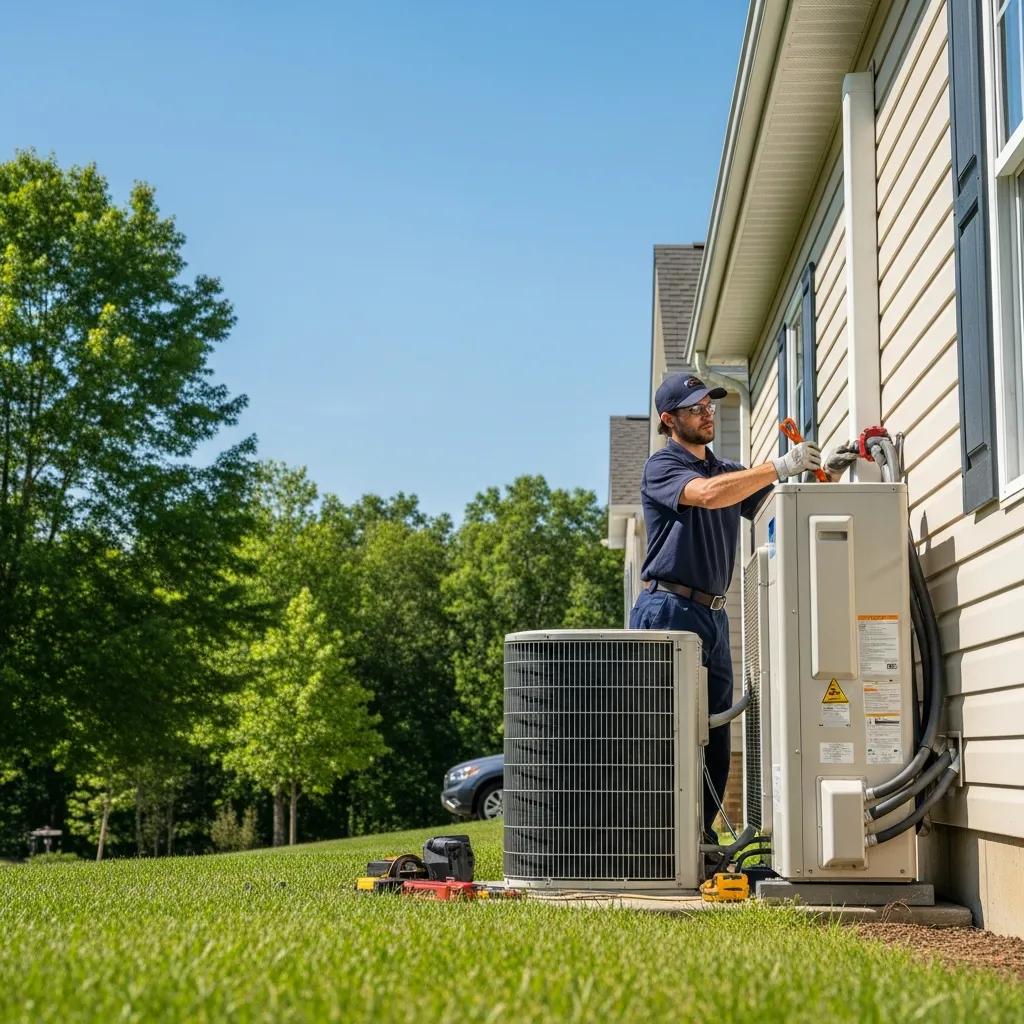
Ready for a Heat Pump Upgrade?
Contact UKV HVAC LLC today for a personalized consultation and a free, no-obligation estimate for your heat pump replacement.
When Should You Consider Heat Pump Replacement?
Key Indicators Your Heat Pump Needs Replacement:
- Inconsistent Heating/Cooling: If certain rooms are always too hot or too cold, or if your system struggles to maintain your desired temperature, it indicates a significant loss of efficiency or capacity. This often points to compressor issues, refrigerant leaks, or ductwork problems that are expensive to fix in older units.
- Frequent & Costly Repairs: Calling for service multiple times a year, especially for major components like the compressor or fan motor, suggests your system is nearing the end of its lifespan. The cumulative cost of ongoing repairs can quickly exceed the investment in a new, warrantied unit.
- Unusual Noises: Grinding, squealing, banging, or persistent rattling sounds often signal worn-out internal components, such as bearings, motors, or fan blades. These noises not only disrupt your home’s peace but also indicate impending mechanical failure and reduced efficiency.
- Rising Energy Bills: A sudden or gradual increase in your monthly heating and cooling costs, without a change in usage habits, is a strong indicator that your heat pump‘s efficiency has significantly degraded. Older units simply cannot compete with the energy savings offered by modern, high-SEER2/HSPF2 models.
- System Age: Most air-source heat pumps have a lifespan of 10-15 years. Beyond this age, even well-maintained units become less efficient and more prone to breakdowns. Geothermal systems can last 20+ years, but their internal components may still require attention.
- Outdated Refrigerant (R-22): If your heat pump uses R-22 refrigerant, it’s becoming increasingly expensive and difficult to service due to federal phase-out regulations. Replacing an R-22 system with a new unit that uses environmentally friendly R-410A or R-32 refrigerant is a smart, future-proof decision.
How Does Heat Pump Replacement Improve Home Comfort?
- Steadier Temperatures: Modern heat pumps, especially those with variable-speed technology, provide more consistent temperatures throughout your home, eliminating hot and cold spots.
- Quieter Operation: Newer models are designed with advanced sound-dampening features, offering significantly quieter operation than older, noisier units.
- Better Air Quality: Paired with proper filtration, new systems can reduce dust, allergens, and other airborne pollutants, contributing to a healthier indoor environment.
- Finer Temperature Control: Advanced thermostats and smart home integration allow for precise temperature management and zoning capabilities.
- Lower Energy Costs: Modern heat pumps boast significantly higher efficiency ratings (SEER2, HSPF2), translating directly into lower monthly energy bills.
Independent research also supports the long-term financial and performance benefits of moving to current heat pump technology.
Residential Heat Pump Cost-Effectiveness & Replacement - A study examining the feasibility and lifecycle costs of residential heat pump installations, including comparisons with gas furnaces and hybrid configurations for different climates.
Where are Today's Residential Heat Pump Technologies Cost-Effective?, S Krishnamoorthy, 2021
Choosing the Right Heat Pump Brand for Your Replacement
Factors to Consider When Selecting a Heat Pump Brand:
- Efficiency Ratings (SEER2/HSPF2): Look for high Seasonal Energy Efficiency Ratio 2 (SEER2) for cooling and Heating Seasonal Performance Factor 2 (HSPF2) for heating. Higher numbers mean greater energy savings.
- Cold-Climate Performance: For West Virginia’s winters, prioritize brands and models specifically designed for cold climates, often featuring enhanced compressors and defrost cycles.
- Technology & Features: Consider variable-speed compressors for precise temperature control, smart thermostat compatibility, zoning capabilities, and advanced filtration options.
- Warranty & Support: Reputable brands offer strong warranties on parts and compressors. UKV HVAC LLC ensures you understand your warranty coverage and provides reliable local support.
- Noise Levels: Modern heat pumps are significantly quieter. Check decibel ratings if outdoor unit noise is a concern.
- Budget: While higher-end brands may have a greater upfront cost, their superior efficiency and longevity often result in lower operating costs over the system’s lifespan.
What Are the Key Heat Pump Types Suitable for West Virginia Homes?
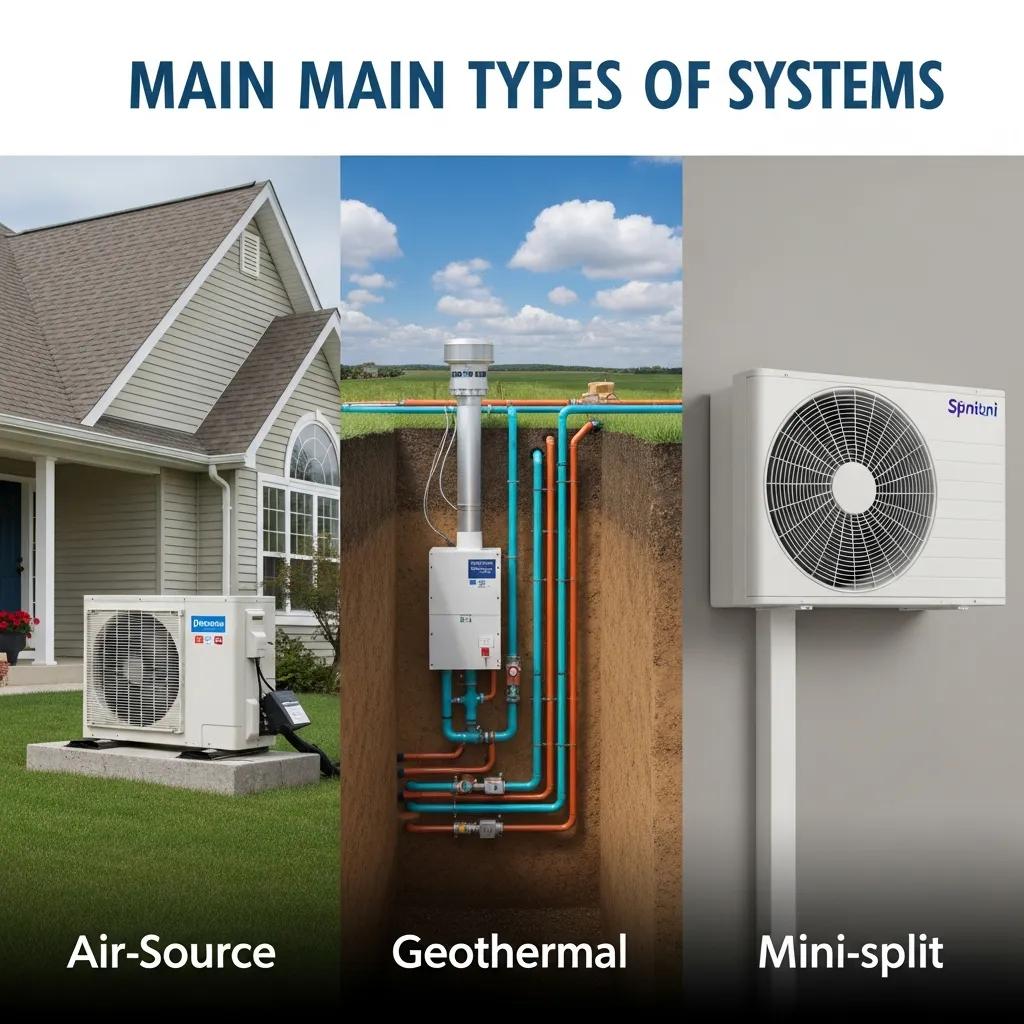
How Do Air-Source, Geothermal, and Mini-Split Heat Pumps Compare?
- Air-Source Heat Pumps: The most common choice; they draw heat from outside air. Modern cold-climate models work efficiently in freezing temperatures and are usually less costly to install, making them a popular replacement option for traditional furnaces or older heat pumps.
- Geothermal Heat Pumps: These use the earth’s steady subsurface temperature. They cost more up front but deliver very high long-term efficiency and low operating costs, offering exceptional comfort and environmental benefits for those considering a significant upgrade.
- Mini-Split Systems (Ductless): Ideal for homes without existing ductwork, additions, or for zoning specific rooms. Mini-splits provide flexible, room-by-room control with minimal installation disruption, often used to supplement existing systems or replace inefficient window units.
Which Heat Pump Type Offers the Best Energy Efficiency in West Virginia?
Need Expert Advice on Heat Pump Installation
Our team at UKV HVAC LLC is here to help you navigate your options and find the perfect heat pump installation solution.
What Is the Heat Pump Replacement Process with UKV HVAC LLC?
Proper heat pump replacement is vital to performance, longevity, and maximizing your energy savings. UKV HVAC LLC follows a clear, step-by-step approach to ensure your new system is installed efficiently, safely, and to the highest industry standards.
What Steps Are Involved in Professional Heat Pump Replacement?
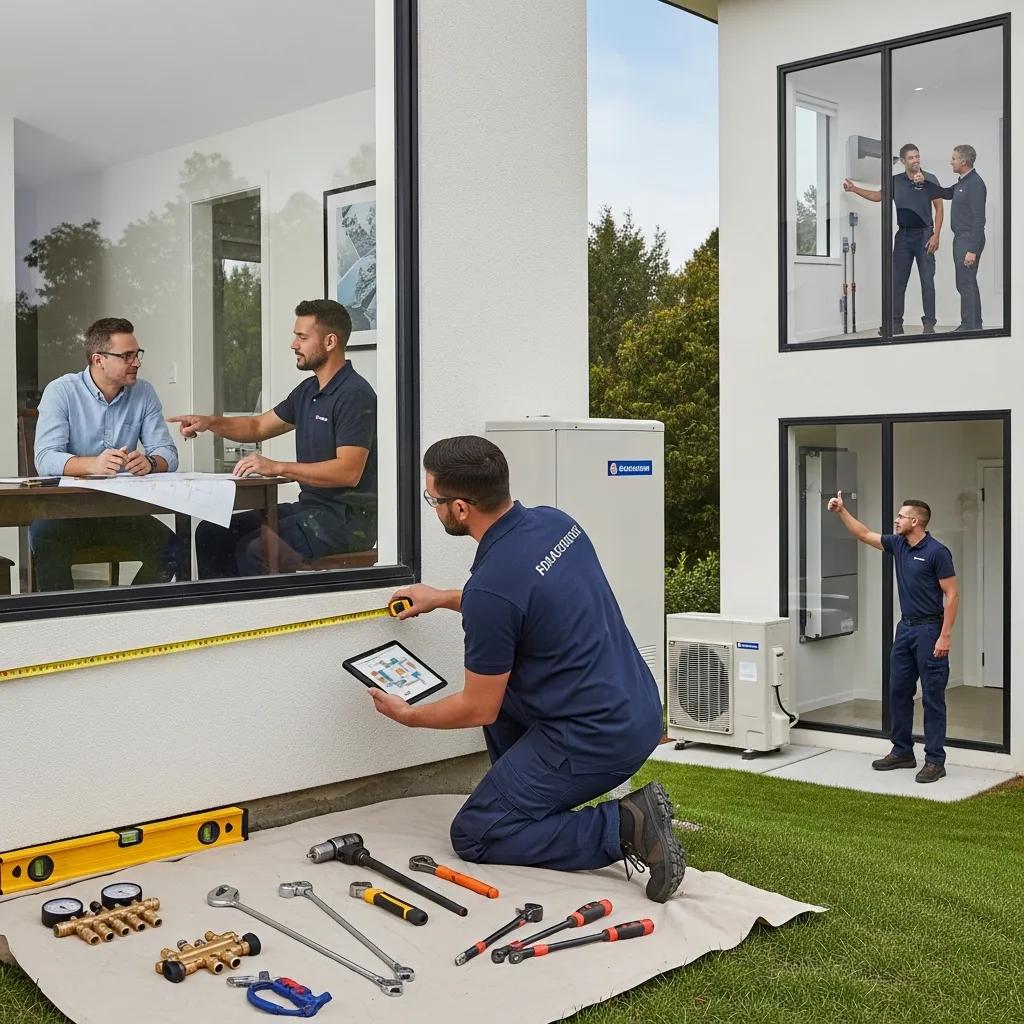
- Initial Consultation & Needs Assessment: We begin by discussing your current comfort challenges, energy goals, budget, and existing equipment. This helps us identify the most suitable heat pump options for your home.
- Detailed Site Assessment: Our certified technicians will thoroughly inspect your home’s layout, existing ductwork (if applicable), electrical capacity, and insulation. We perform precise load calculations to ensure your new system is perfectly sized for optimal performance and efficiency.
- Old System Removal & Disposal: We carefully disconnect and remove your old heat pump and associated components, ensuring proper and environmentally responsible disposal of refrigerants and materials.
- Professional Installation: Our NATE-certified technicians install your new heat pump system according to manufacturer specifications and all local West Virginia building codes. This includes setting the outdoor unit, connecting refrigerant lines, installing the indoor air handler, and integrating with your existing or new ductwork and electrical systems.
- System Testing & Optimization: After installation, we rigorously test the entire system to ensure proper operation, correct refrigerant charge, airflow, and thermostat functionality. We calibrate the system for peak efficiency and comfort.
- Final Walkthrough & Education: We conclude with a comprehensive walkthrough, demonstrating how to operate your new system and its controls. We review essential maintenance care, answer all your questions, and provide you with all necessary documentation and warranty information.
Why Choose UKV HVAC for Your Heat Pump Replacement?
How UKV HVAC Ensures Quality and Reliability During Your Replacement:
- Local Expertise: As a West Virginia-based company, we have an in-depth understanding of our local climate, building codes, and the specific heating and cooling needs of homes in the region.
- Certified & Experienced Technicians: Our team consists of NATE-certified, factory-trained professionals who are experts in the latest heat pump technologies and installation best practices. We continuously invest in training to stay ahead of industry advancements.
- Transparent & Upfront Pricing: We provide clear, itemized estimates with no hidden fees. You’ll understand the full cost of your heat pump replacement before any work begins.
- Quality Products & Partnerships: We partner with leading heat pump manufacturers, offering a selection of high-quality, energy-efficient systems that we trust to perform reliably in your home.
- Customer-Centric Service: Your satisfaction is our top priority. We maintain open communication throughout the entire process, from initial consultation to post-installation support, ensuring a smooth and stress-free experience.
- Comprehensive Warranties & Guarantees: We stand behind our work with strong labor warranties in addition to manufacturer equipment warranties, giving you confidence in your investment.
- Commitment to Safety & Compliance: All installations adhere strictly to manufacturer guidelines and local safety codes, ensuring your system operates safely and efficiently for years to come.
Experience the UKV HVAC Difference
How Much Does Heat Pump Installation Cost and What Incentives Are Available in West Virginia?
Understanding the main cost factors helps you budget for your heat pump replacement and identify rebates or tax credits that can significantly reduce your out-of-pocket expense.
What Factors Influence Heat Pump Replacement Costs?
- Unit Size & Type: Larger homes require bigger systems, raising material and labor costs. Geothermal systems have higher upfront costs than air-source models.
- Efficiency Ratings: Higher SEER2/HSPF2 rated units, while more expensive initially, offer greater long-term energy savings.
- Installation Complexity: Factors like extensive ductwork modifications, electrical panel upgrades, or structural work to accommodate the new system can increase installation costs.
- Brand & Features: Premium brands and systems with advanced features (e.g., variable-speed compressors, smart controls) will typically have a higher price point.
- Local Labor Rates: Prices vary by region and the expertise of the contractor. UKV HVAC LLC provides competitive, transparent pricing.
Which Federal and Local Rebates Can Reduce Installation Expenses?
| Incentive Type | Description | Potential Amount |
|---|---|---|
| Federal Tax Credit (IRA) | Tax credits for qualifying energy-efficient heat pumps under the Inflation Reduction Act (Energy Efficient Home Improvement Credit) | Up to $2,000 (subject to specific eligibility criteria and annual limits) |
| State Rebates | West Virginia programs that may offer rebates for eligible systems (check current availability) | Varies by program and availability |
| Utility Company Incentives | Local utility discounts or rebates for energy-efficient upgrades (e.g., Appalachian Power, Mon Power) | Varies by provider and program |
Heat Pump Incentives: Inflation Reduction Act 2022 - The Inflation Reduction Act of 2022 expanded credits under Code Sec. 25C (the energy-efficient home improvement credit), applying to qualifying heat pump systems and related equipment.
Residential Green Energy Initiatives under the Inflation Reduction Act of 2022, 2022
Frequently Asked Questions About Heat Pump Replacement
What maintenance is required for heat pumps?
Routine maintenance keeps a heat pump running well and extends its lifespan. Have a professional check refrigerant levels, coils, electrical components, and overall system performance annually. At home, change or clean filters every 1–3 months, keep the outdoor unit clear of debris, and confirm proper drainage. These steps help avoid performance issues and costly repairs.
How long can I expect my new heat pump to last?
With regular professional care and proper usage, modern air-source heat pumps typically last about 10–15 years. Geothermal systems often exceed 20 years. Timely service and repairs, along with choosing a quality system, are key to maximizing system life.
Are heat pumps suitable for all climates, including West Virginia winters?
Yes! Modern cold-climate air-source models are specifically designed to perform exceptionally well in freezing temperatures, making them highly effective for West Virginia winters. Geothermal systems are efficient in nearly any climate because they use the earth’s stable ground temperatures. UKV HVAC LLC will help you select the right configuration for your specific climate needs.
What is the difference between a heat pump and a traditional HVAC system?
The key difference is how heat is moved: traditional systems (like furnaces) create heat through combustion or resistance, while heat pumps transfer heat between spaces. Because they move heat rather than generate it, heat pumps are generally more energy-efficient and provide both heating and cooling in one integrated system.
Can I install a heat pump myself?
DIY heat pump installation or replacement is strongly not recommended. Professional installation by certified technicians like those at UKV HVAC LLC ensures code compliance, efficient operation, proper sizing, and warranty coverage. Improper installation can lead to poor performance, higher energy bills, safety issues, and voided warranties.
What should I look for when choosing a heat pump contractor for replacement?
Ready to Upgrade Your Home Comfort?
Conclusion
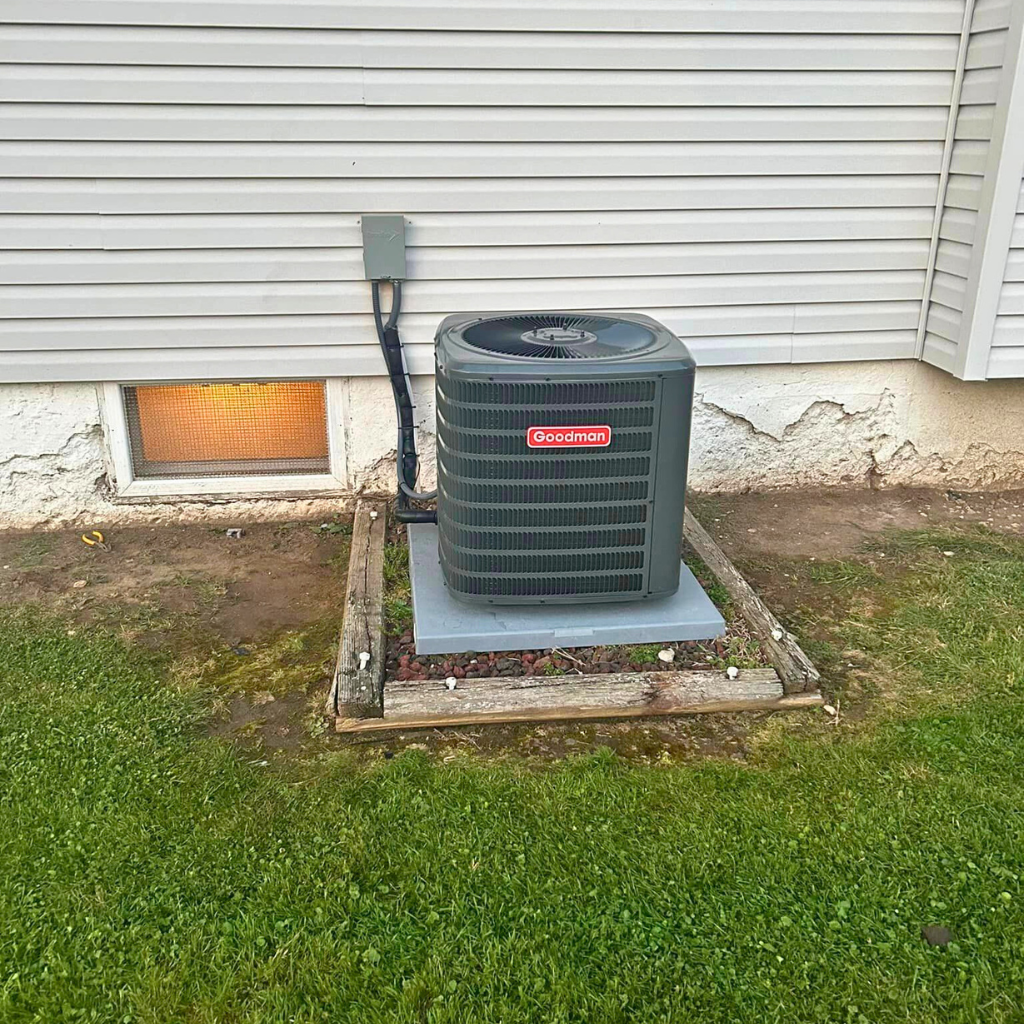
West Virginia's Premier HVAC and Electrical Contractor
At UKV HVAC, we proudly deliver top-tier HVAC and air quality services across West Virginia, serving both residential and commercial clients. As a family-owned business, we’re rooted in our community, committed to offering the best solutions at unbeatable prices. From the moment you call to the completion of your service, we ensure confidence and satisfaction every step of the way. Our expert technicians handle all makes and models, delivering reliable heating, cooling, and soon, electrical services statewide.
Don’t wait—reach out today for comfort you can trust!
Family-owned and community-focused
Expert technicians for all makes and models
Best solutions at unbeatable prices
General Residential HVAC Services
HVAC Installation, Service, Maintenance
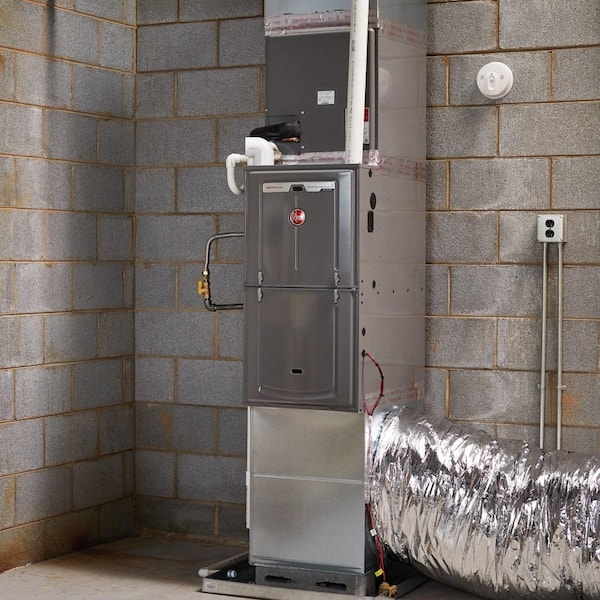
Heating
Expert furnace installation, repair, and maintenance to keep your home warm all winter long.
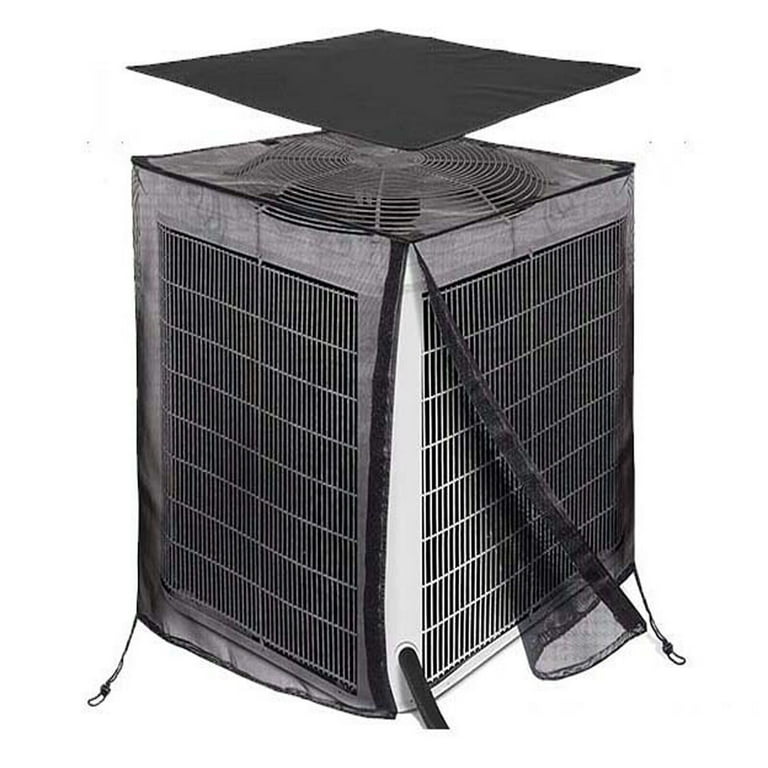
Cooling Services
Professional air conditioning solutions for optimal comfort during hot West Virginia summers.
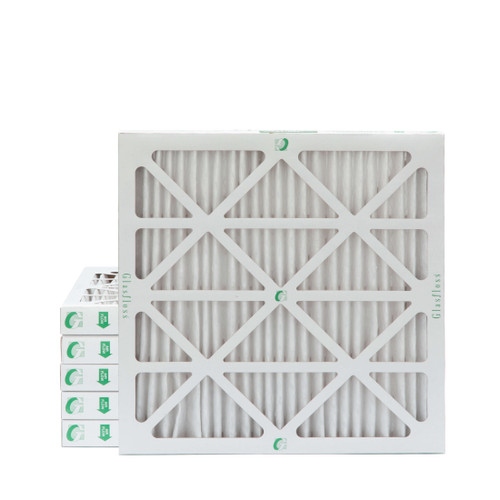
Air Quality
Improve your indoor air quality with our comprehensive ventilation and filtration services.
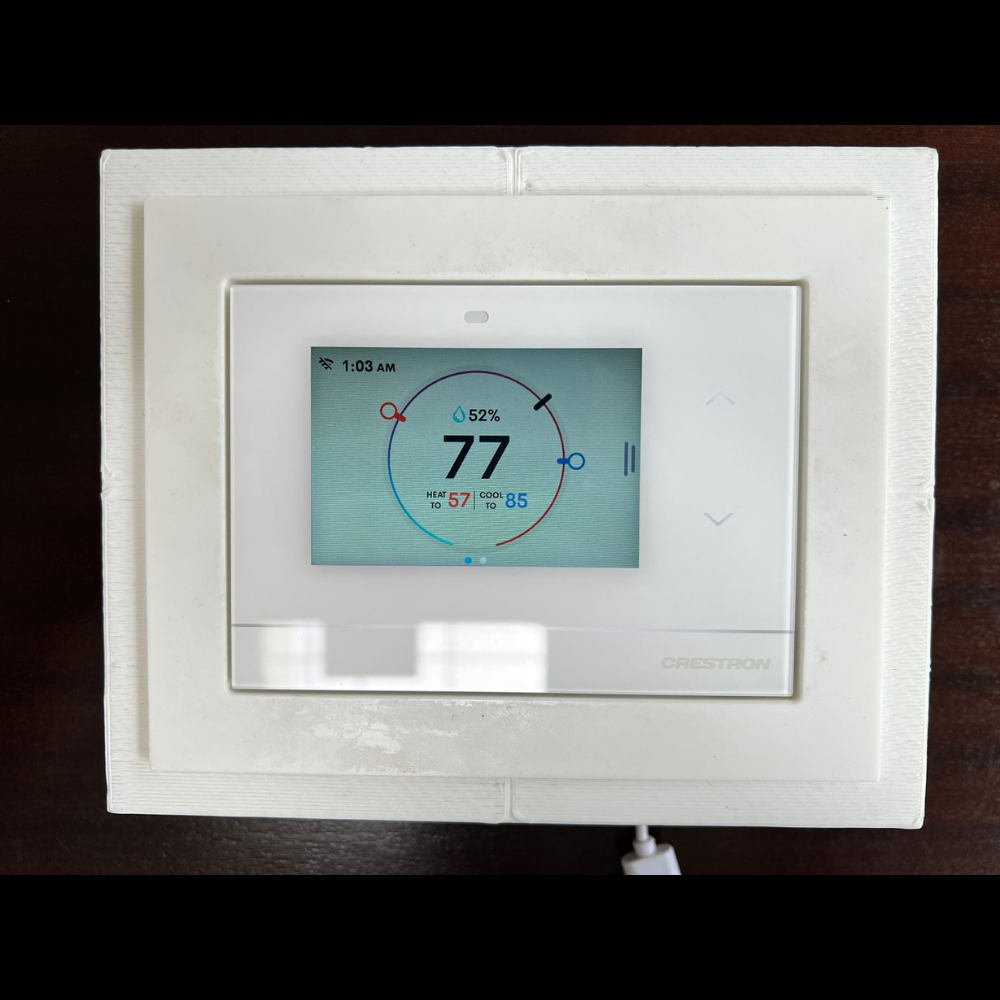
Smart Thermostats
Upgrade to intelligent climate control with professional thermostat installation and setup.
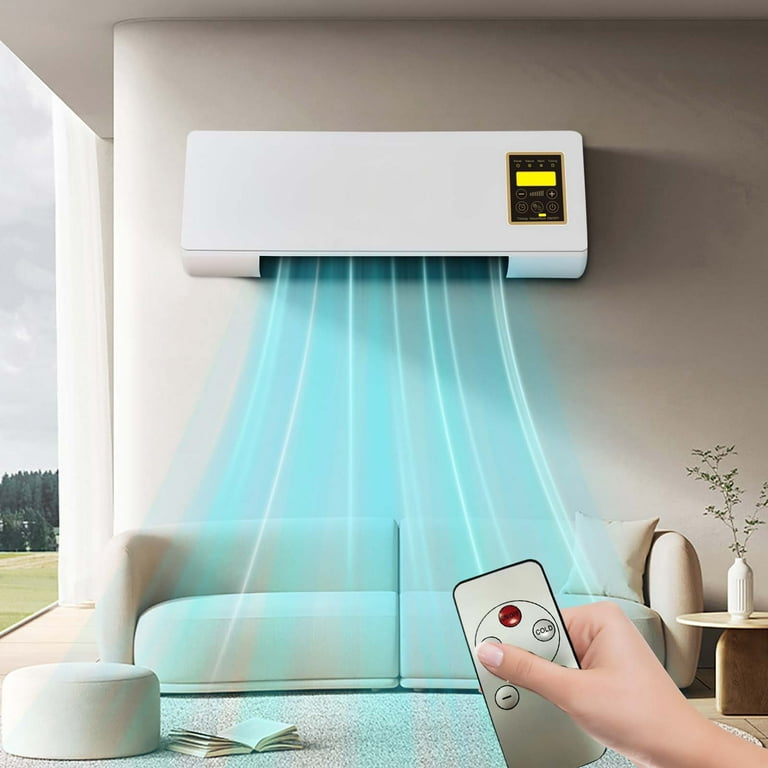
Mini Split Systems
Efficient ductless heating and cooling solutions for any space in your home or business.
Maintenance Plans
Keep your HVAC system running efficiently with our comprehensive maintenance programs.

Heating
Expert furnace installation, repair, and maintenance services

Cooling
Professional AC installation and comprehensive maintenance

Air Quality
Indoor air quality solutions for healthier living spaces
Contact Us
Ready to schedule your HVAC service? Fill out the form and we’ll get back to you as soon as possible.
Call Us
Email Us
Our Service Area
Proudly serving communities across West Virginia
Frequently Asked Questions
Why is my air conditioner not blowing cold air?
Low refrigerant levels, dirty air filters, frozen evaporator coils, or thermostat issues could be the cause. Our technicians can diagnose and fix the problem quickly.
How often should my HVAC system be serviced?
We recommend professional maintenance twice a year—once in spring for your AC and once in fall for your heating system—to ensure optimal performance and prevent breakdowns.
What size HVAC system do I need for my home?
System size depends on your home’s square footage, insulation, ceiling height, and climate zone. Our experts perform load calculations to determine the perfect fit for maximum efficiency.
How long does an HVAC system typically last?
With proper maintenance, furnaces last 15-20 years, air conditioners 10-15 years, and heat pumps 10-15 years. Regular service extends equipment lifespan significantly.
Is it worth upgrading to a smart thermostat?
Yes! Smart thermostats can reduce energy bills by 10-23% through automated scheduling, remote control, and learning your preferences. Most homeowners see ROI within 2 years.
What are the signs I need a new HVAC system?
Frequent repairs, rising energy bills, uneven temperatures, excessive noise, system age over 15 years, or using R-22 refrigerant are all indicators it’s time to replace.
Do you offer emergency HVAC services?
Absolutely! We provide 24/7 emergency service throughout West Virginia. Call 304-419-6789 anytime for urgent heating or cooling issues.