
Professional Mini-Split Installation and Repair Services
Prevent breakdowns, improve efficiency, and keep your home comfortable all season with expert preventative care from a local HVAC team you can trust.
Expert Mini Split System Installation & Repair in West Virginia | UKV HVAC LLC

Ready for Tailored Comfort?
Discover how a mini split system can transform your home's efficiency and comfort. Contact us for a personalized consultation!
What is a Ductless Mini Split System and How Does It Work?
Key Components of Mini Split Systems:
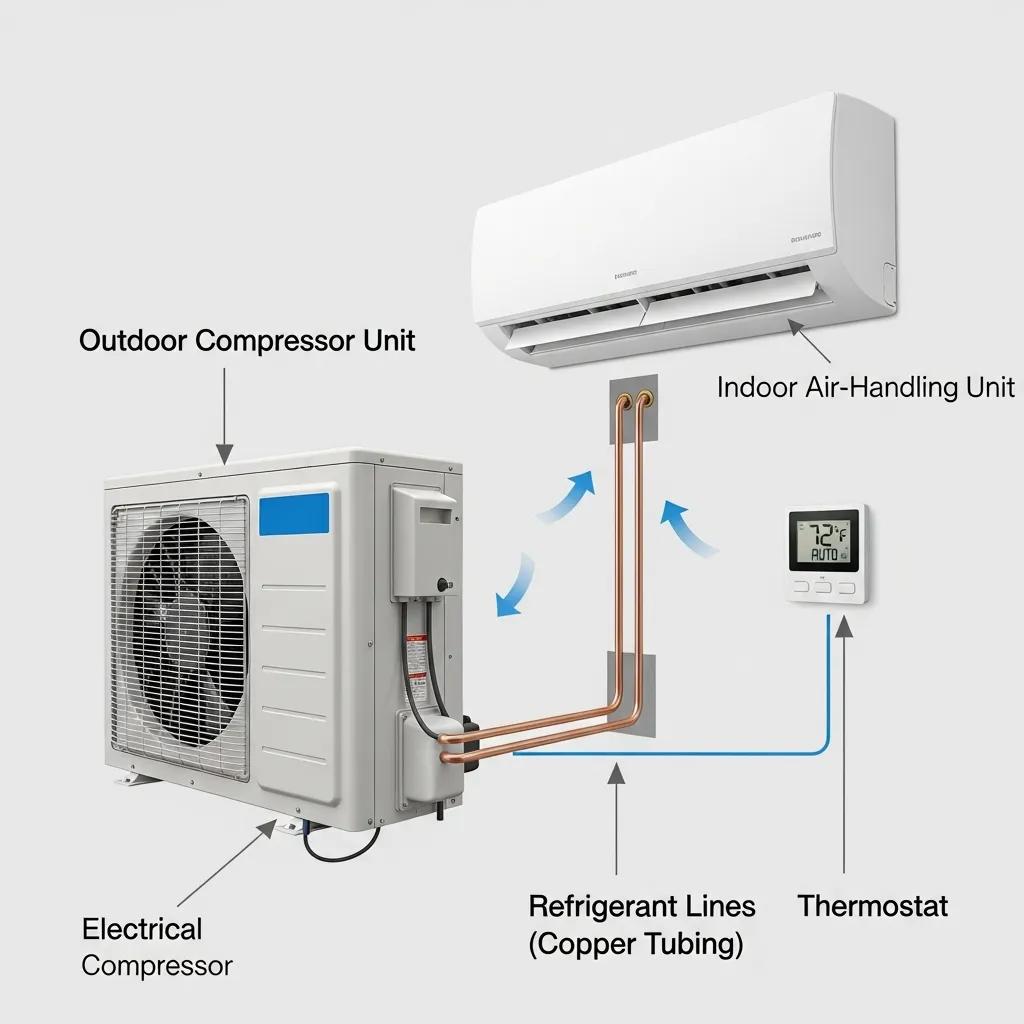
- Outdoor Compressor/Condenser: This unit houses the compressor, condenser coil, and fan. It’s responsible for compressing the refrigerant and facilitating heat exchange with the outside air.
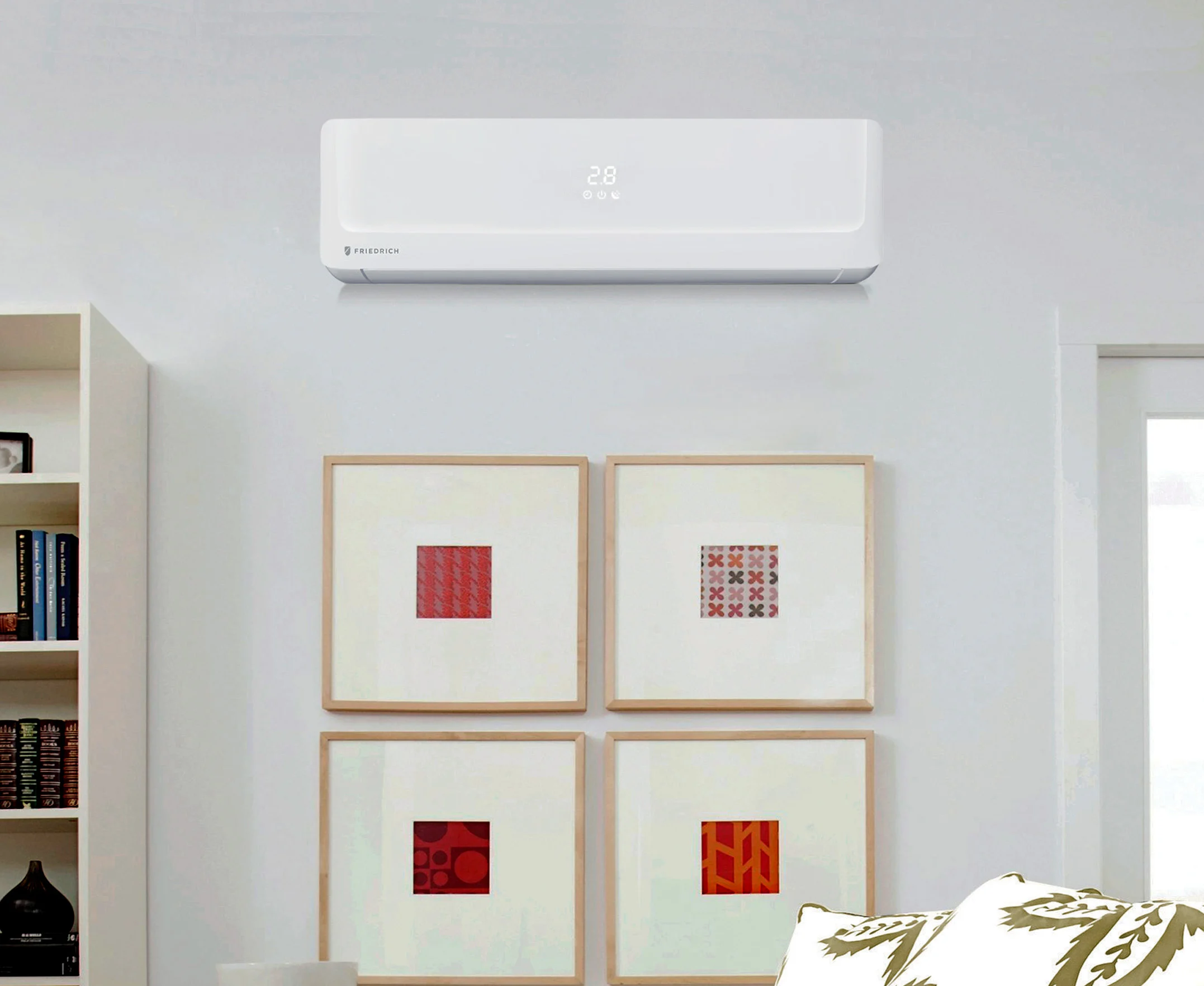
- Indoor Air-Handling Unit(s): These sleek units are mounted on a wall, ceiling, or floor within your home. They contain an evaporator coil and a fan to draw in room air, condition it, and distribute it back into the space. Each indoor unit can be controlled independently.
- Refrigerant Lines: Insulated copper tubing connects the indoor and outdoor units, allowing the refrigerant to circulate and transfer heat.
- Electrical Wiring: Provides power to both units and enables communication between them.
- Condensate Drain Line: Carries away moisture removed from the air during the cooling process.
- Thermostat/Controller: Allows you to set temperatures, fan speeds, and operating modes for each individual indoor unit, providing precise zone control.
Ductless Mini Splits vs. Traditional Central Air: When to Choose Which
When a Ductless Mini Split System is a Good Option:
- Homes Without Existing Ductwork: Ideal for older homes, historic properties, or new additions where installing traditional ductwork would be costly, invasive, or impractical.
- Room Additions & Renovations: Easily extend heating and cooling to new spaces like sunrooms, garage conversions, or attic remodels without overhauling your existing HVAC system.
- Zoned Comfort Needs: Perfect for families with varying temperature preferences or homes where certain rooms are used more frequently. Each indoor unit can be set to a different temperature.
- Targeted Energy Efficiency: Condition only the rooms you’re using, significantly reducing energy waste compared to heating/cooling an entire home with a central system.
- Supplementing Existing Systems: Can be used to boost comfort in problem areas (e.g., a perpetually hot upstairs bedroom) or to supplement an aging central system.
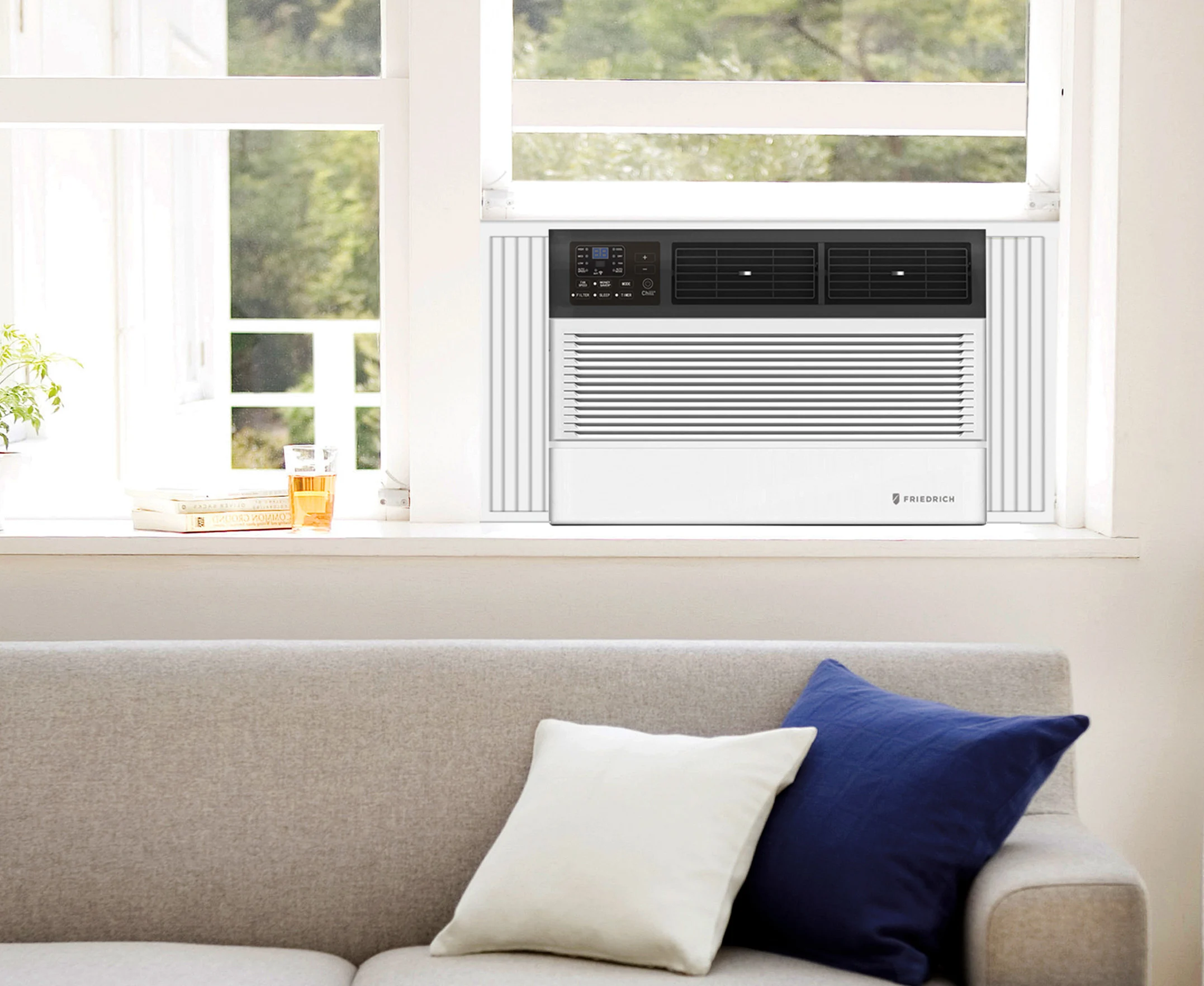
- Quiet Operation: Indoor units operate very quietly, often quieter than window AC units or even some central air vents.
- Change Air Filters: Regularly replace or clean filters (every 1-3 months, depending on usage and household conditions) to maintain optimal airflow and reduce undue strain on your system.
- Clear Outdoor Unit Debris: Keep the condenser unit free from leaves, grass clippings, dirt, and other obstructions to ensure proper ventilation and heat dissipation.
- Verify Thermostat Settings: Confirm that setpoints and schedule settings align with your daily routine for consistent comfort and energy management.
These straightforward actions, when performed consistently, make a noticeable and positive difference in your system‘s overall performance and longevity.
When Traditional Central Air Might Still Be Preferred:
- Existing, Well-Maintained Ductwork: If your home already has efficient, properly sized ductwork, upgrading to a new central air system might be a straightforward option.
- Whole-Home Uniform Temperature: For homeowners who prefer a single, consistent temperature throughout the entire house without individual zone control.
Why Choose Mini Split Systems for Your West Virginia Home?
- Exceptional Energy Efficiency: With inverter technology, mini splits adjust their output to precisely match the heating or cooling demand, avoiding the energy-intensive on/off cycles of traditional systems. This can lead to significant savings on your utility bills.
- Precise Zoned Comfort: Each indoor unit operates independently, allowing you to set different temperatures in different rooms or zones. You only condition occupied rooms, eliminating wasted energy in unused spaces.
- Improved Indoor Air Quality: Many mini split systems come with advanced filtration features that can capture dust, allergens, and other airborne particles, contributing to a healthier indoor environment.
- Quiet Operation: Indoor units are designed to operate at very low noise levels, ensuring peaceful comfort. Outdoor units are also typically quieter than traditional central AC condensers.
- Flexible Installation: The compact size and lack of ductwork make mini splits incredibly versatile. Indoor units can be wall-mounted, ceiling-cassette, floor-standing, or even concealed, fitting seamlessly into any decor.
- Ideal for Additions and Renovations: Easily integrate heating and cooling into new home additions, converted attics, or renovated basements without extending existing ductwork or straining your current HVAC system.
- Environmentally Friendly: Many modern mini splits use R410A refrigerant, which is ozone-friendly, and their high efficiency reduces your carbon footprint.
Need Expert Advice on Mini Split Systems?
Our team at UKV HVAC LLC is here to help you navigate your options.
Sizing and Configuration: Finding the Right Mini Split System for Your Home
Choosing the correct size and configuration for your mini split system is crucial for optimal performance, efficiency, and comfort. An undersized system will struggle to heat or cool, running constantly and inefficiently, while an oversized system will cycle on and off too frequently, leading to uneven temperatures and wasted energy.
How We Determine the Right Size (BTUs):
- Square Footage and Ceiling Height: The primary determinant of the volume of air to be conditioned.
- Insulation Levels: Well-insulated homes require less heating and cooling capacity.
- Window Type and Exposure: The number, size, and type of windows, as well as their orientation (south-facing windows gain more heat), significantly impact heat gain/loss.
- Local Climate: West Virginia’s distinct seasons mean we account for both extreme heat and cold.
- Occupancy and Heat-Generating Appliances: The number of people and heat-producing electronics in a room contribute to the heat load.
- Layout and Zoning Needs: Whether you need a single-zone system for one room or a multi-zone system for several areas.
Single-Zone vs. Multi-Zone Systems:
- Single-Zone Mini Splits: Consist of one outdoor unit connected to one indoor unit. Ideal for conditioning a single room, an addition, or a specific area like a garage or attic conversion.
- Multi-Zone Mini Splits: Feature one outdoor unit connected to multiple indoor units (typically 2-8). Each indoor unit can be a different style (wall-mounted, ceiling cassette, etc.) and can be controlled independently. This is perfect for whole-home solutions or conditioning several distinct areas.
How UKV HVAC LLC Supports Mini Split Installation and Repair
Ready for Efficient Comfort?
What to Expect During Professional Mini Split Installation?
- Site Assessment & Design: Our technicians evaluate your home’s layout, insulation, and specific needs to determine optimal unit locations and system sizing.
- Mounting the Indoor Unit(s): We securely mount the air handler(s) on your wall or ceiling, ensuring proper aesthetics and airflow.
- Connecting Refrigerant Lines & Electrical: Insulated refrigerant lines, condensate drain lines, and electrical wiring are carefully run through a small opening in the wall, connecting the indoor and outdoor units.
- Vacuum & Leak Test: The refrigerant lines are evacuated to remove air and moisture, then thoroughly tested for leaks to ensure system integrity.
- System Commissioning & Testing: We charge the system with refrigerant, power it up, and perform comprehensive tests to verify all components are operating correctly and efficiently.
- Client Walkthrough: We walk you through your new system, explaining its features, controls, and basic maintenance.
How Does UKV HVAC Handle Mini Split Repair and Emergency Services?
- Refrigerant leaks or low refrigerant levels
- Electrical faults or wiring issues
- Compressor malfunctions
- Fan motor problems
- Airflow restrictions or dirty coils
- Thermostat or control issues
Choosing a Qualified HVAC Contractor for Mini Split Systems
- NATE Certification: Look for technicians certified by NATE (North American Technician Excellence). This signifies a high level of knowledge and skill in HVAC systems, including mini splits. All UKV HVAC LLC technicians are NATE-certified.
- Experience with Mini Splits: Ensure the contractor has specific, extensive experience installing and servicing various mini split brands and configurations. UKV HVAC LLC specializes in mini split systems and has a proven track record across West Virginia.
- Local Knowledge: A contractor familiar with West Virginia’s climate and common home types can provide more accurate sizing and tailored recommendations. We are deeply rooted in the West Virginia community and understand local needs.
- Comprehensive Services: Choose a company that offers not just installation, but also repair, maintenance, and warranty support. UKV HVAC LLC provides end-to-end mini split services.
- Transparent Pricing & Estimates: A reputable contractor will provide detailed, written estimates that clearly outline costs for equipment, labor, and any additional services. We believe in clear, upfront pricing with no hidden fees.
- Licensed and Insured: Verify that the contractor is fully licensed and insured to protect you from liability in case of accidents or improper work. UKV HVAC LLC is fully licensed and insured for your peace of mind.
- Customer Reviews & References: Check online reviews and ask for references to gauge customer satisfaction and reliability. We pride ourselves on positive customer feedback and lasting relationships.
- Warranties: Inquire about equipment warranties and labor guarantees. A confident contractor will stand behind their work. We offer robust warranties on both equipment and our installation services.
What Are the Typical Costs and Financing Options for Mini Split Systems?
Costs vary by system size, installation complexity, and local market conditions. Knowing the main cost drivers helps you compare quotes effectively and plan your investment.
Which Factors Influence Mini Split Installation Costs in West Virginia?
- System Size and Capacity: Larger or multi‑zone systems require more equipment and higher BTU output, directly impacting the cost.
- Installation Complexity: Factors like the distance between indoor and outdoor units, the need for extensive electrical upgrades, structural modifications, or difficult-to-access locations can increase labor and material costs.
- Number of Indoor Units: Multi-zone systems with several indoor units will naturally cost more than a single-zone setup.
- Brand and Features: Premium brands or systems with advanced features (e.g., enhanced filtration, smart controls) may have a higher price point.
- Local Market Conditions: Regional labor rates, permit requirements, and product availability in West Virginia can affect overall pricing.
What Financing and Rebates Are Available for Mini Split Systems?
- Low-Interest Financing: UKV HVAC LLC partners with reputable financial institutions to offer flexible payment plans, making energy-efficient comfort more accessible.
- Utility Rebates: Local utility companies in West Virginia often provide rebates for installing energy‑efficient HVAC systems, including mini splits. We can help you identify eligible programs.
- Federal Tax Credits: Federal incentives, such as the Residential Clean Energy Credit (formerly the Residential Energy Efficient Property Credit), can offer tax credits for qualifying energy-efficient home improvements.
- State and Local Programs: Check for any specific West Virginia state or local programs designed to promote energy efficiency.
| Cost Factor | Description | Impact on Cost |
|---|---|---|
| System Size & Capacity | Larger BTU capacity or multi-zone systems require more powerful and numerous units. | Higher cost for larger/multi-zone systems. |
| Installation Complexity | Factors like long line sets, electrical upgrades, or difficult access points. | Increases labor and material costs. |
| Number of Indoor Units | Each additional indoor unit adds to equipment and installation time. | Directly proportional to the number of zones. |
| Brand & Features | Premium brands or advanced features like smart controls, enhanced filtration. | Can increase equipment cost. |
Connect with UKV HVAC LLC Today!
Frequently Asked Questions About About Mini Split Systems
What maintenance is required for mini split systems?
Clean or replace indoor filters every few months, depending on usage and air quality. Schedule professional service annually to check refrigerant levels, electrical connections, clean coils, and ensure the outdoor unit is free of debris. Routine care reduces breakdowns, maintains efficiency, and extends lifespan.
Can mini split systems be used for both heating and cooling?
Yes, absolutely. Most mini splits are heat pumps that provide both heating and cooling by simply reversing the refrigeration cycle. This makes them a versatile, year-round comfort solution.
How do I choose the right size mini split system for my home?
Sizing depends on various factors including square footage, ceiling height, insulation quality, number and type of windows, sun exposure, and local climate. A professional load calculation performed by a qualified HVAC technician (like those at UKV HVAC LLC) is essential to ensure proper sizing for optimal comfort and efficiency.
Are mini split systems noisy during operation?
Indoor units are renowned for their quiet operation, often running at noise levels comparable to a whisper. Outdoor compressors are louder but are typically sited away from living areas to minimize disturbance.
What is the lifespan of a mini split system?
With proper installation and regular professional maintenance, you can expect a mini split system to last roughly 15 to 20 years. Consistent filter care and timely repairs are key to maximizing its lifespan.
Can I install a mini split system myself?
Ready to Ensure Your Mini Split Systems Runs Its Best?
Experience Unmatched Comfort with UKV HVAC LLC
West Virginia's Premier HVAC and Electrical Contractor
At UKV HVAC, we proudly deliver top-tier HVAC and air quality services across West Virginia, serving both residential and commercial clients. As a family-owned business, we’re rooted in our community, committed to offering the best solutions at unbeatable prices. From the moment you call to the completion of your service, we ensure confidence and satisfaction every step of the way. Our expert technicians handle all makes and models, delivering reliable heating, cooling, and soon, electrical services statewide.
Don’t wait—reach out today for comfort you can trust!
Family-owned and community-focused
Expert technicians for all makes and models
Best solutions at unbeatable prices
General Residential HVAC Services
HVAC Installation, Service, Maintenance
Heating
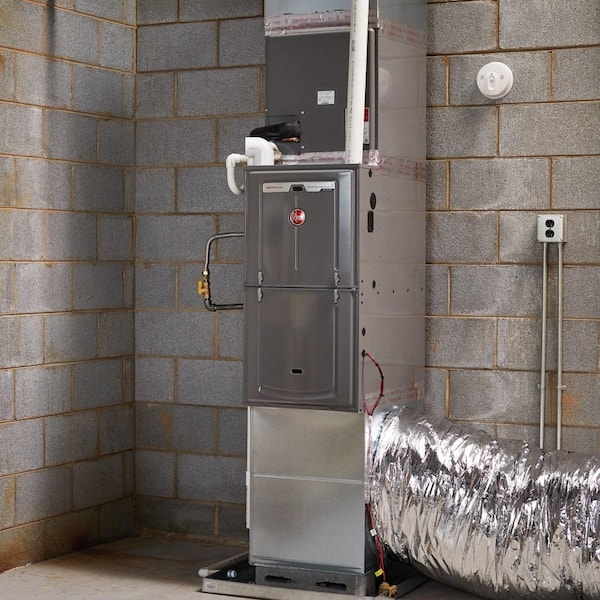
Expert furnace installation, repair, and maintenance to keep your home warm all winter long.
Cooling Services
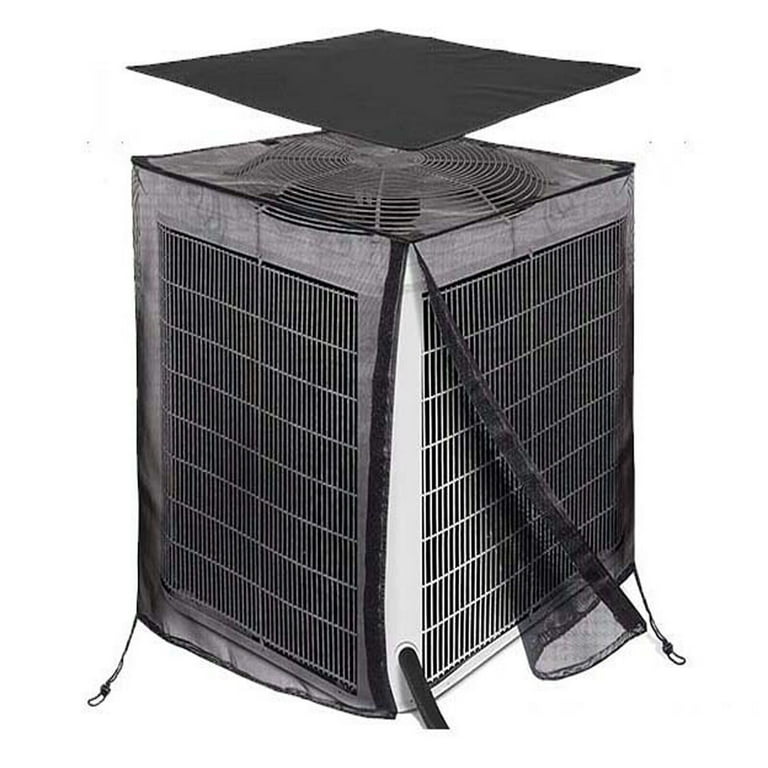
Professional air conditioning solutions for optimal comfort during hot West Virginia summers.
Air Quality
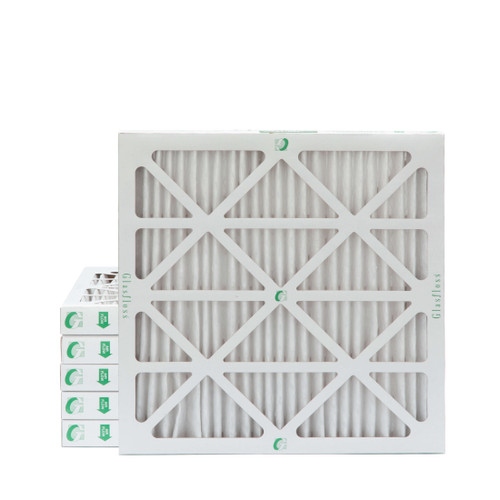
Improve your indoor air quality with our comprehensive ventilation and filtration services.
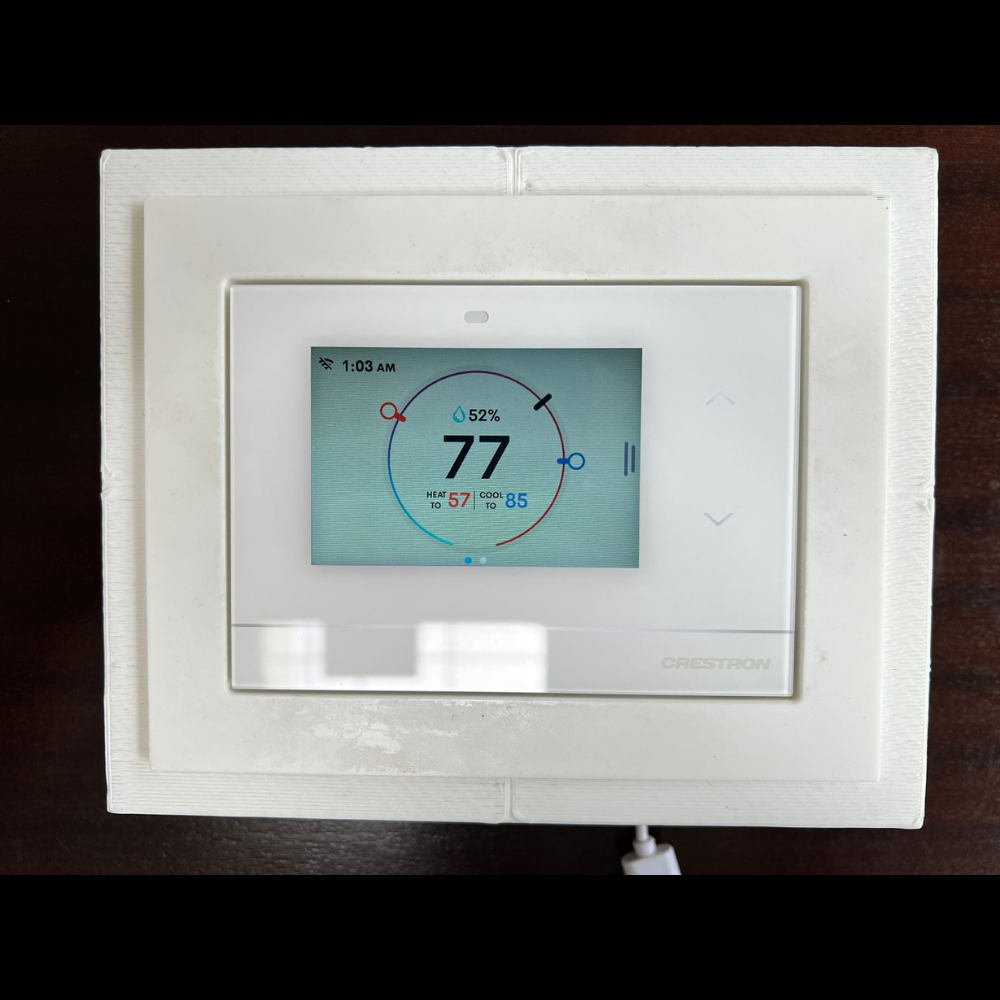
Smart Thermostats
Upgrade to intelligent climate control with professional thermostat installation and setup.
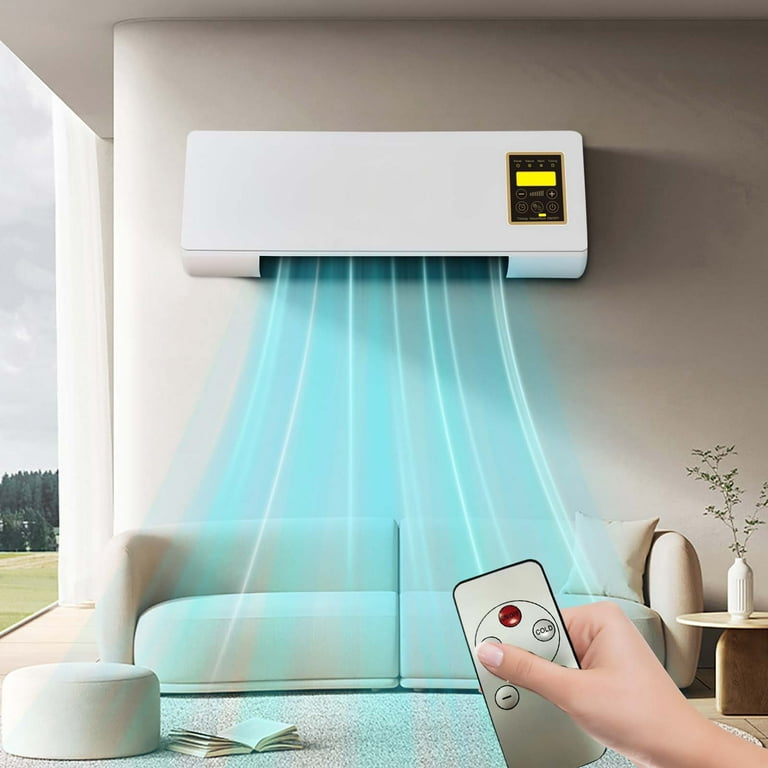
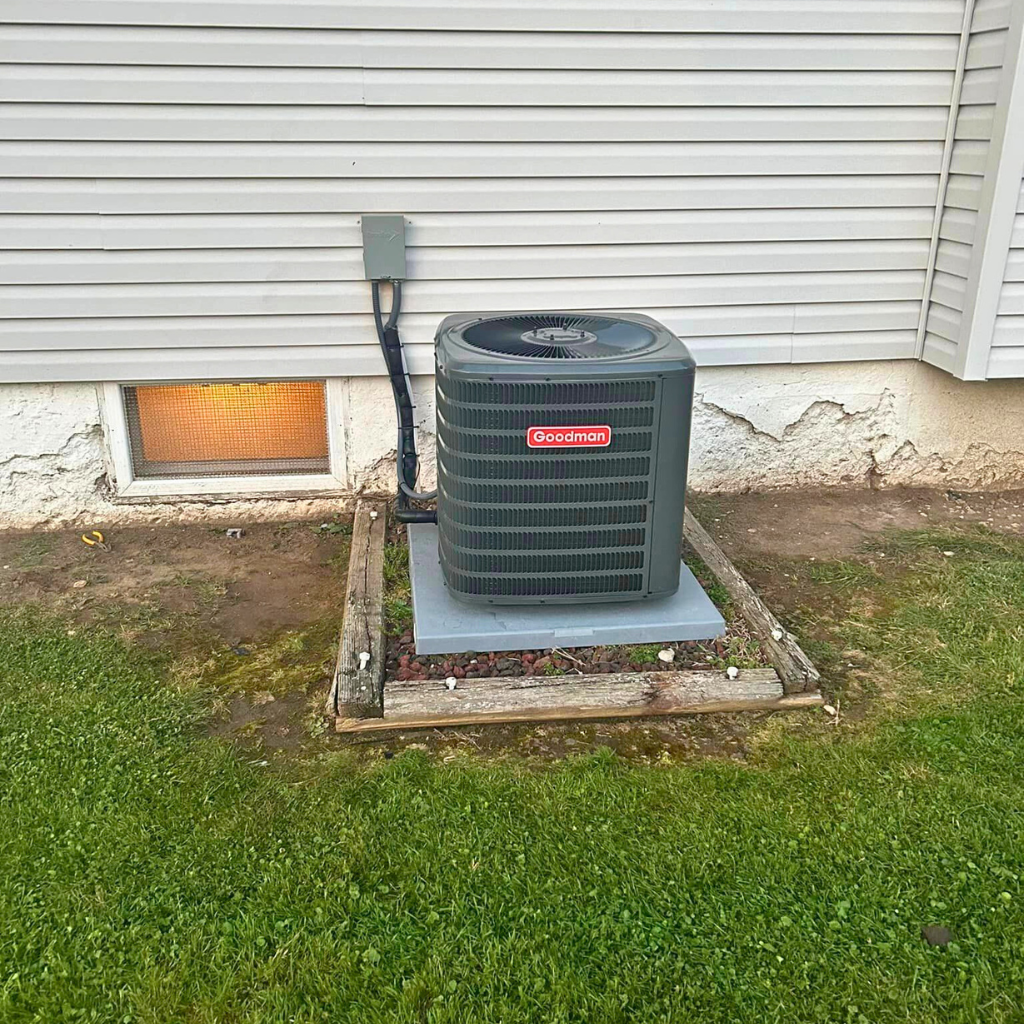
Mini Split Systems
Efficient ductless heating and cooling solutions for any space in your home or business.
Maintenance Plans
Keep your HVAC system running efficiently with our comprehensive maintenance programs.

Heating
Expert furnace installation, repair, and maintenance services

Cooling
Professional AC installation and comprehensive maintenance

Air Quality
Indoor air quality solutions for healthier living spaces
Contact Us
Ready to schedule your HVAC service? Fill out the form and we’ll get back to you as soon as possible.
Call Us
Email Us
Our Service Area
Proudly serving communities across West Virginia
Frequently Asked Questions
Why is my air conditioner not blowing cold air?
Low refrigerant levels, dirty air filters, frozen evaporator coils, or thermostat issues could be the cause. Our technicians can diagnose and fix the problem quickly.
How often should my HVAC system be serviced?
We recommend professional maintenance twice a year—once in spring for your AC and once in fall for your heating system—to ensure optimal performance and prevent breakdowns.
What size HVAC system do I need for my home?
System size depends on your home’s square footage, insulation, ceiling height, and climate zone. Our experts perform load calculations to determine the perfect fit for maximum efficiency.
How long does an HVAC system typically last?
With proper maintenance, furnaces last 15-20 years, air conditioners 10-15 years, and heat pumps 10-15 years. Regular service extends equipment lifespan significantly.
Is it worth upgrading to a smart thermostat?
Yes! Smart thermostats can reduce energy bills by 10-23% through automated scheduling, remote control, and learning your preferences. Most homeowners see ROI within 2 years.
What are the signs I need a new HVAC system?
Frequent repairs, rising energy bills, uneven temperatures, excessive noise, system age over 15 years, or using R-22 refrigerant are all indicators it’s time to replace.
Do you offer emergency HVAC services?
Absolutely! We provide 24/7 emergency service throughout West Virginia. Call 304-419-6789 anytime for urgent heating or cooling issues.